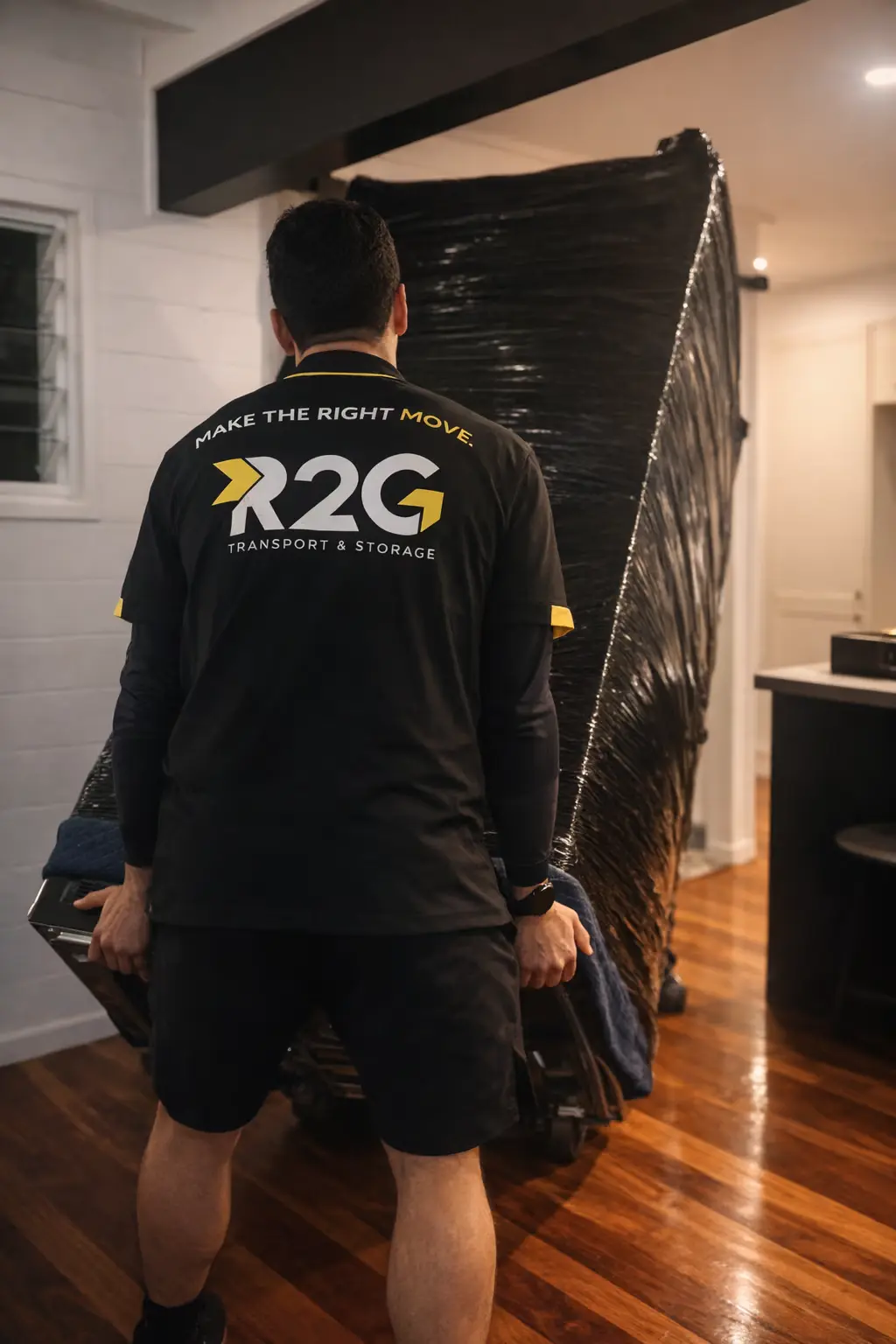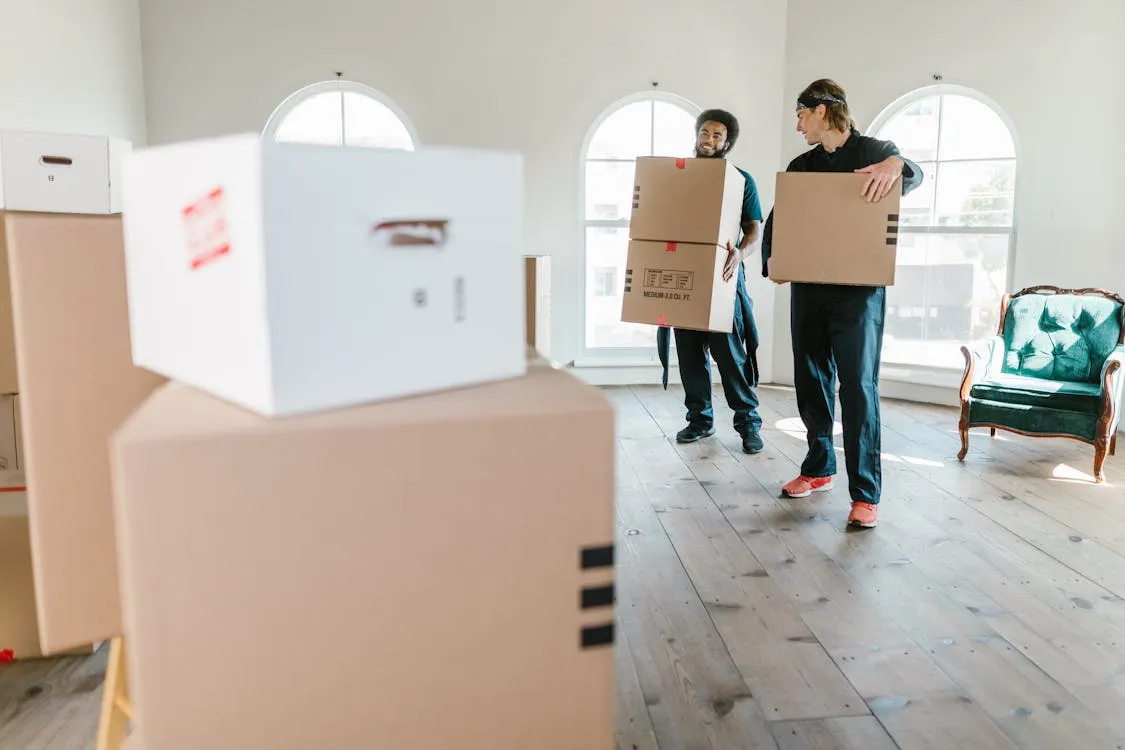

Moving flat pack furniture comes down to one test: will the piece survive being carried, tilted and strapped in one piece? Small, low units like bedside tables, TV benches and two-drawer cabinets generally travel whole, emptied and wrapped. Tall wardrobes, big bookcases, bed frames and anything that racks when you push a corner should come apart first, with every screw bagged and labelled.
Key takeaways
Flat pack furniture is held together by cam locks, dowels and thin backing panels, so it copes with being moved far less well than solid timber. Low, compact flat pack pieces can usually move whole once drawers are emptied and doors are taped shut. Tall or wide flat pack pieces such as wardrobes, bookcases and bed frames are safer taken apart before moving day. Keep the fixings for each piece in its own labelled bag and keep the assembly instructions, because most manufacturers do not publish separate disassembly guides. Re-anchor tall furniture to the wall at the new home before it is loaded up again.
Why does flat pack furniture struggle on moving day?
Most flat pack is built from particleboard or MDF panels joined with cam locks, wooden dowels and a handful of screws, with a thin hardboard back nailed or slotted in to keep the frame square. That is fine standing still in a bedroom for ten years. It was never designed to be tipped on its side, walked down the front stairs of a Queenslander and strapped against a truck wall for an hour on the Pacific Motorway.
The weak points are predictable. Cam locks pull out of the board when a loaded unit flexes, which leaves a crumbled hole that will not grip properly again. Backing panels pop their nails when a tall bookcase racks sideways. Particleboard edges chip on a door frame and swell if they get wet, and between the front door and the truck on a Brisbane storm afternoon or a Cairns wet season morning, wet is a real possibility.
When is moving flat pack furniture whole the right call?
Plenty of flat pack travels perfectly well in one piece, and pulling it apart can do more harm than good. Every time a cam lock is undone and redone, the hole loses a little grip. A unit that was assembled once and never moved will usually handle one careful disassembly. One that has already been through three share houses in West End and St Lucia might not. As a rough guide, these pieces usually move whole once they are emptied and wrapped:
- Bedside tables, small side tables and low two or three drawer cabinets
- Low TV units and media benches without a glass top
- Small cube shelving, as long as the back panel is still firmly fixed
- Desks with a fixed frame that fit through the doorways at both ends
The common thread is low, compact and rigid. Tape drawers and doors shut with low-tack painter's tape rather than packing tape, which can lift the laminate when it comes off. Take out loose shelves and glass, then wrap the piece in a moving blanket. Our crews carry these upright wherever the doorway allows. On its side, a cheap carcass ends up carrying its weight on panels that were never meant to take it.
Which flat pack pieces should come apart before the truck arrives?
Tall and wide pieces are the ones to break down. A two-metre wardrobe or a tall bookcase has a lot of leverage on its joints, and the moment it is tilted to clear a doorway or the landing of a Highgate Hill walk-up, that leverage goes straight into the cam locks at the corners. Bed frames come apart as a matter of course, since a queen frame will not get down most hallways in one piece. Pieces we would normally suggest dismantling:
- Wardrobes, especially sliding-door units and anything over about two metres tall
- Tall bookcases and display shelving
- Bed frames, bunk beds and loft beds
- Large modular storage and wall units
- Dining tables with bolt-on legs
Sliding-door wardrobes deserve their own mention. Take the doors off first and wrap them flat, because the doors and their runners are usually the parts that break. Mirrored doors and glass shelves come out and get packed separately, the same way you would handle the pieces in our guide to packing mirrors and framed prints.
Furniture heading into storage while you move is a stronger case again. Panels stacked on their edges take up far less floor space than a built wardrobe, and they are much less likely to get crushed by whatever ends up next to them.
How do you take flat pack furniture apart without wrecking it?
Start by finding the instructions. IKEA Australia's customer service pages say it does not publish disassembly instructions and suggest following the assembly instructions in reverse, with the documents for current products available from each product page. Download the PDF a week before the move and save it to your phone, because the paper copy probably went in the recycling years ago.
Work in reverse order and take a photo at every stage. It sounds fussy. It also saves a lot of head-scratching at six o'clock on the first night in the new place, when the main bedroom is the last room still in pieces. A few habits keep the panels reusable:
- Use a hand screwdriver, or a drill on its lowest clutch setting, and never a high-torque impact driver
- Turn cam locks back a quarter or half turn, just enough to release, rather than spinning them right out
- Lift dowels out straight, and leave any stubborn ones where they are instead of levering the panel
- Ease backing panel nails out with a flat bar resting on a scrap of timber, so the board edge does not crumble
- Keep each piece's panels together, face to face, with a blanket or flattened carton between them
Two people make all of this easier. A wardrobe carcass that is half unscrewed is heavy and floppy, and the usual way people break one is by letting a side panel fold away from the top while they reach for the next screw.
How should the fixings and panels be packed and labelled?
Lost hardware is what turns a flat pack rebuild into a weekend job. Give every piece its own zip-lock bag for the screws, cam locks, dowels, shelf pins, wall bracket and Allen key, and write the piece and the room on it, for example "Bedroom 2, white wardrobe". Tape the bag to the back face of that piece's largest panel, or put all the bags into one small box marked FIXINGS that travels in your car rather than on the truck.
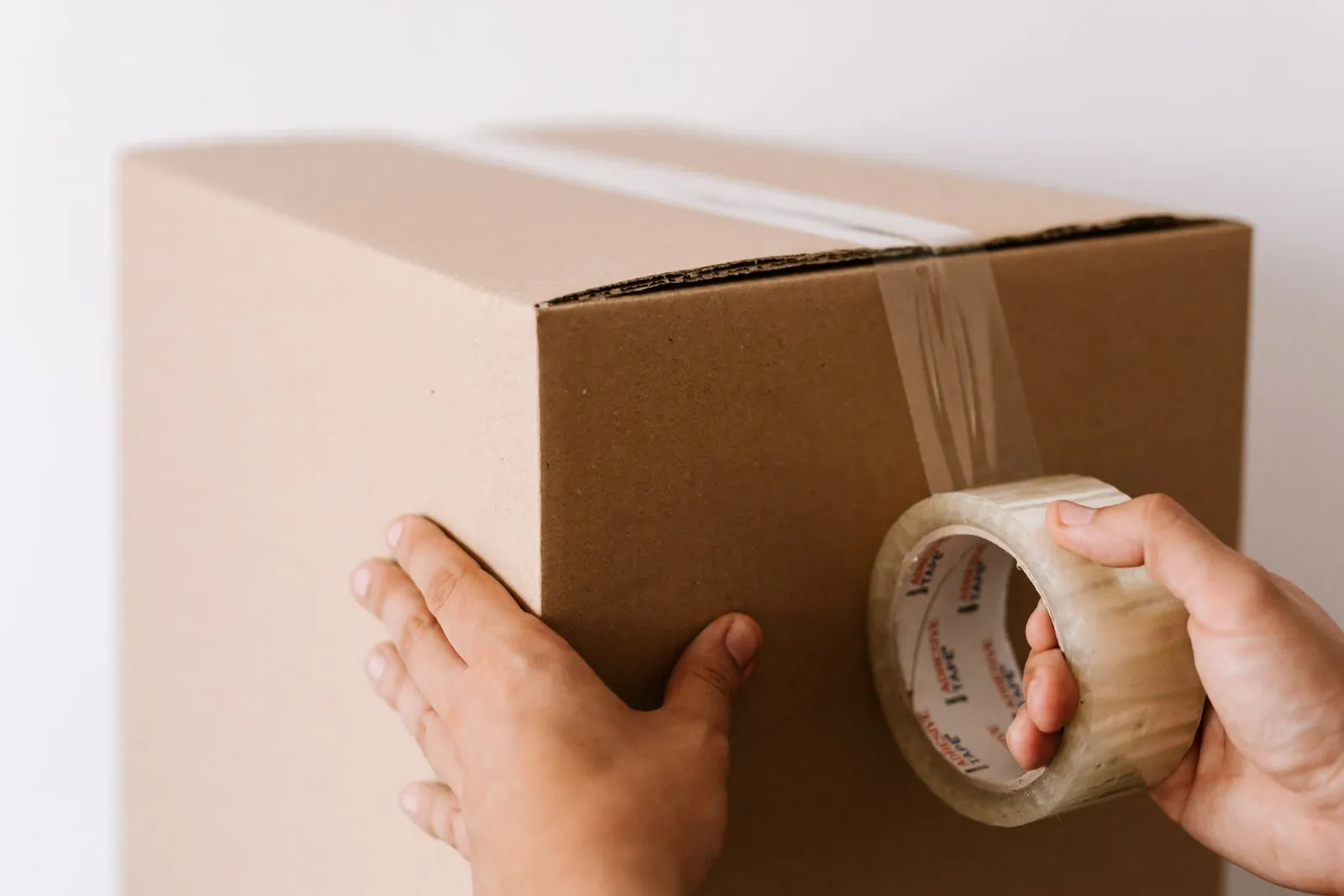
Label the panels as well. A strip of masking tape on the back face reading top, left side or base takes seconds and saves a lot of guessing. Sandwich the bigger panels between flattened cartons or blankets and tape the bundle so the edges and corners are covered. Short on cardboard? You can pick up moving boxes and packing supplies ahead of the day.
How do removalists load flat pack panels on the truck?
On the truck, flat panels travel standing on their long edge, against the wall or between larger items, padded with blankets and held with straps. Laid flat on the floor with something on top is how particleboard snaps, because a panel that is strong standing up has very little strength lying down with weight in the middle. Experienced removalists in Brisbane load the heavy, solid pieces first, then slot the flat pack into gaps where it cannot shift.
Whole flat pack pieces get the same thinking. A wrapped bedside table can ride on top of a solid timber chest of drawers, never underneath it. In our experience, on a typical three-bedroom job out of somewhere like Carindale or Chermside with a two-person crew and a four-tonne truck, the flat pack goes on late and comes off early, because buried flat pack is crushed flat pack.
“Flat pack is honest furniture. It tells you exactly where it will fail, which is at the cam locks, so plan around the cam locks and it will usually come through the move fine.”
, R2G Moving Team
Damage is a fair thing to ask about before you book. Particleboard furniture is sometimes treated differently by transit insurance policies, so it is worth reading our explainer on who pays when a removalist damages your furniture and checking what your own policy says about flat pack.
What needs doing when it goes back together at the new place?
Rebuild each piece in the room where it will live. A rebuilt wardrobe often will not fit back through the bedroom door, which is the whole reason it came apart in the first place. Work from your photos and the instructions. Any cam lock or screw hole that has crumbled should be repaired with a dowel and wood glue or a threaded insert from the hardware store, rather than forcing the old screw into mush.
Then anchor it. Tall furniture that was fixed to the wall at the old place needs fixing again at the new one, and the bracket or strap should be sitting in that labelled bag. At the time of writing, the ACCC's Product Safety Australia guide to toppling furniture and televisions says toppling furniture has killed at least 28 people in Australia since 2000 and causes nearly 20 injuries every week, with children under five most at risk. Under the ACCC's mandatory information standard for toppling furniture, suppliers must include anchoring advice in the manuals and assembly instructions for pieces like chests of drawers, wardrobes and bookcases, so the PDF you downloaded will usually show you how.
Wall type changes the fixing. A brick wall in an older Wynnum or Ipswich house needs masonry plugs, while plasterboard in a new estate at Springfield Lakes or Yarrabilba needs the bracket screwed into a stud. Renting? Ask the property manager in writing before you drill, since it is their wall. With toddlers in the house this is the first job after the beds go up, not a job for next weekend, and our guide to moving house with kids has more on getting a young family settled.
Frequently Asked Questions
Can you move IKEA furniture without taking it apart?
Often, yes, for small and low pieces. Bedside tables, low TV units and small cube shelves usually move well in one piece once they are emptied, the drawers are taped shut and the unit is wrapped in a blanket. Tall wardrobes, large bookcases and bed frames are a different story, because tilting them through doorways strains cam locks that were never designed for it.
Will flat pack furniture survive being taken apart and rebuilt?
Most flat pack survives one careful disassembly and rebuild. The risk grows each time, because cam lock and screw holes in particleboard lose grip whenever they are undone. Use hand tools or a low drill setting, release cam locks gently and keep every fixing. Repair a crumbled hole with a dowel and glue or a threaded insert instead of forcing the original screw back in.
Do removalists take apart flat pack furniture?
Many removalists will dismantle and reassemble beds and basic furniture, but confirm what is included when you get your quote, because complex wardrobes and modular systems can take real time on the day. Tell the removalist which pieces need breaking down and have the instructions downloaded beforehand, so the crew can plan the job and allow for the time properly.
Should you keep the original boxes for flat pack furniture?
Original boxes are handy if you have room for them, since the panels were designed to fit, but most people throw them out and that is fine. Flattened moving cartons, blankets and masking tape do the same job. The thing really worth keeping is the assembly instructions, either the paper copy or a downloaded PDF saved somewhere you can find it on moving day.
Booking a crew that plans for the flat pack
R2G has been moving Queensland homes out of our Archerfield and Cairns City depots since 2014, and flat pack wardrobes, bookcases and bed frames turn up on most of the house moves we run. Tell us which pieces need taking apart when you book so the time is allowed for, or have our Brisbane packing team wrap and protect the lot. Either way, get a free quote and we will plan the move around what you actually own.