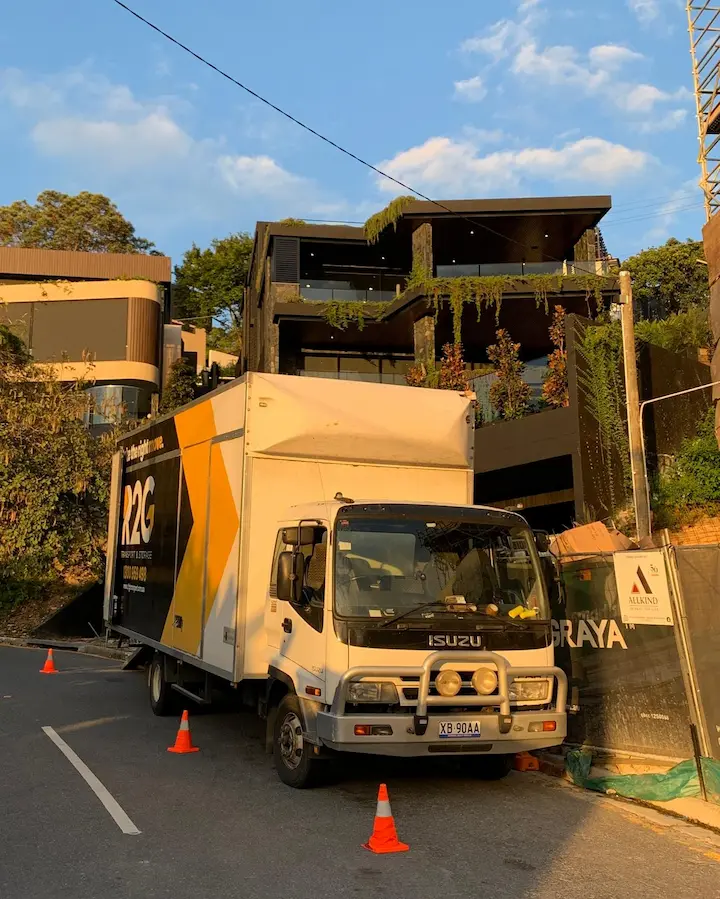

The short answer: a removalist is not automatically liable for every bit of damage. Liability comes down to two things, the insurance in place and what actually caused the damage. A professional, insured removalist will generally cover damage caused by their handling through goods-in-transit insurance, but standard cover often excludes boxes you packed yourself and a handful of other situations. Here is how moving insurance works in Australia, what is and is not covered, and exactly what to do if something gets broken.
Are Removalists Automatically Liable for Damage?
No, and this trips a lot of people up. Many assume any damage during a move is automatically the removalist's problem, but it is not that simple. Under Australian Consumer Law, a removalist must provide their service with due care and skill, so if damage is caused by clear negligence, such as a dropped wardrobe or an unsecured load, you have a strong case. Where it gets murky is accidental damage with no negligence, or damage to items the company never packed or handled directly. That is where the insurance, and the fine print, decides who pays.

The Types of Moving Insurance, Explained
When a removalist says they are fully insured, ask what that actually includes. There are a few different types of cover and they protect very different things.
- Public liability insurance: covers injury to people or damage to property such as a scratched wall or floor, not damage to the goods being moved
- Goods-in-transit (transit) insurance: covers your belongings while they are being handled and transported. This is the cover most people mean when they talk about a damage claim
- Full replacement cover: a higher level of goods-in-transit cover that repairs or replaces damaged items up to an agreed value
- Restricted or limited cover: a cheaper option that only pays out in specific events, such as the truck being in an accident, and not general handling damage
Ask for the Certificate of Currency
A genuinely insured removalist can email you a current Certificate of Currency on request, showing the policy type and amounts. If a company cannot or will not provide one, treat that as a warning sign. Our guide to spotting a dodgy removalist covers the other red flags worth checking.
What Is Usually Not Covered
Even good policies have exclusions, and knowing them in advance saves a nasty surprise on claim day. The most common exclusions are:
- Boxes you packed yourself, often called owner packed or PBO: if you packed it, the contents are usually not covered unless the carton itself is visibly damaged
- High-value items you did not declare: jewellery, art, and collectables often need to be listed separately to be covered
- Pairs and sets: a policy may only pay for the damaged item, not the matching set
- Mechanical or electrical fault with no external damage: if a fridge or TV stops working but has no visible damage, it is often excluded
- Particle-board and flat-pack furniture, which many policies treat as fragile and high-risk to move
Does Your Home or Contents Insurance Cover a Move?
Sometimes, but never assume it. Some home and contents policies include limited cover for belongings while moving house, often only when a professional removalist is used, and usually with conditions and an excess. Others exclude moving entirely. Call your insurer before moving day and ask specifically whether goods in transit during a house move are covered, and whether using a professional removalist is required. The safest setup is the removalist's transit insurance as your main cover, with your own policy as a backup.
How to Protect Yourself Before the Move
- Choose a professional, insured operator and get the Certificate of Currency in writing
- Make an inventory and photograph valuable and fragile items before they are packed
- Declare high-value items so they can be listed on the policy
- Let the removalist pack fragile and high-value goods, so those items are covered by their handling
- Read the terms, including the claim window and any excess, before you sign anything
Photos are your best evidence
Date-stamped photos of your items before the move, and of any damage straight after, are the single most useful thing in a claim. Take them on your phone as you go.
What to Do if Something Is Damaged
- Note the damage on the inventory or delivery paperwork before the crew leaves, if you can
- Photograph the damaged item and its packaging
- Report it to the removalist in writing as soon as possible, and within their stated claim window
- Keep the damaged item and its packaging until the claim is resolved, as the insurer may want to inspect it
- If you cannot reach a fair outcome, escalate to your state fair trading office, or to the Australian Financial Complaints Authority (AFCA) for an insurance dispute
Acting quickly matters. Many policies give you only a short window, sometimes just a few days, to report transit damage, so do not sit on it. A reputable removalist will have a clear claims process and will not make you chase them.
“The best protection against a damage dispute is choosing a properly insured removalist in the first place, then documenting everything. Careful handling and clear paperwork settle almost every claim before it ever becomes an argument.”
, R2G Moving Team
Negligence vs Accidental Damage: Where the Line Sits
Most damage disputes come down to one question: was the damage caused by carelessness, or was it genuine bad luck? The distinction matters. If a crew drops a wardrobe down the stairs, overloads a trolley, or fails to secure the load and something tips in transit, that points to negligence, and the removalist is generally responsible regardless of the insurance fine print. Accidental damage with no negligence, such as a hairline crack from normal road vibration on a long haul, is exactly what goods-in-transit insurance exists to cover. In practice, good documentation, a clear inventory, and photos are what separate a quick resolution from a drawn-out argument about which one it was.
How Much Cover Do You Actually Need?
When you arrange transit insurance, you are usually asked to nominate the value of your goods, and it is tempting to lowball it to keep things simple. Resist that. If you under-declare and something is damaged, your payout can be reduced in proportion, leaving you short. Think in terms of what it would cost to replace your belongings, not what you originally paid years ago. Note the difference between replacement cover, which pays to replace an item with a new equivalent, and indemnity cover, which factors in age and wear and pays less. For a household of furniture and electronics, replacement-style cover is usually worth the difference.
Owner-Packed vs Removalist-Packed Boxes
This is the single biggest gap people fall into. Most policies treat boxes you packed yourself, often labelled owner packed or PBO, very differently from boxes the removalist packed. If you packed a carton and the contents arrive broken, but the box itself shows no external damage, the insurer will often decline the claim, on the basis that they cannot verify how it was packed. When a professional packs the box, the handling and the contents are both covered. That is why it is worth having the crew pack your fragile and high-value items, even if you pack the rest yourself.
What Happens if Your Goods Go Into Storage?
If part of your move involves storage, do not assume the transit insurance carries over. Goods-in-transit cover and storage cover are often separate things, with different terms and time limits. If your belongings will sit in a depot or storage unit between homes, ask specifically whether they are insured while in storage, who is liable if something is damaged or goes missing there, and for how long the cover lasts. Get the answer in writing before your goods leave your hands.
Questions to Ask a Removalist About Insurance
Before you book, a few direct questions will tell you most of what you need to know:
- What type of cover do you carry, public liability, goods in transit, or both?
- Can you send me a current Certificate of Currency?
- Is the cover full replacement, or limited to specific events like a vehicle accident?
- How are owner-packed boxes treated under your policy?
- What is the claim window, and is there an excess?
- Are my goods covered if they go into storage during the move?
What a Good Claims Process Looks Like
A reputable removalist will not make a claim feel like a fight. The process should be clear: you report the damage in writing within the stated window, supply photos and your inventory, and the company acknowledges it and explains the next steps. From there, the item is assessed and either repaired, replaced, or settled according to the policy. Timeframes vary, but you should always get a written acknowledgement and a point of contact. If communication goes quiet or you are brushed off, that is when to escalate to your state fair trading office, or to AFCA for an insurance dispute.
Why AFRA Accreditation Is Worth Looking For
One quick way to gauge whether a removalist takes insurance and standards seriously is to check for AFRA accreditation. AFRA, the Australian Furniture Removers Association, is the industry body for removalists in Australia, and accredited members are required to meet standards covering vehicles, equipment, training, and insurance. It is not the only marker of a good operator, and plenty of solid local removalists are not members, but if a company is AFRA accredited it is a reassuring sign that the basics, including proper cover, are in place. Combine it with your own check of the Certificate of Currency rather than relying on a logo alone.
Keep a Simple Record From Start to Finish
The single best habit for avoiding a damage dispute is keeping a light paper trail. Save the quote and the terms you agreed to, the Certificate of Currency, your inventory, and your before photos in one place, such as a folder on your phone. If anything is damaged, your after photos and the inventory sit right alongside them. It takes a few minutes, and it turns a he-said-she-said situation into a straightforward, evidenced claim that a reputable removalist and their insurer can resolve quickly.
Frequently Asked Questions
Are removalists liable for damage to my furniture?
They are liable where damage results from their negligence, such as dropping or poorly securing items, under the due care and skill guarantee in Australian Consumer Law. For accidental damage with no negligence, liability depends on the goods-in-transit insurance in place and its terms.
Do removalists have insurance?
Professional removalists generally carry public liability insurance, and most offer or include goods-in-transit insurance for your belongings. Always ask for a current Certificate of Currency so you know exactly what is covered before you book.
Does my home and contents insurance cover moving?
Sometimes, but not always. Some policies include limited cover for goods while moving house, often only when a professional removalist is used and usually with conditions and an excess, while others exclude moving entirely. Call your insurer and confirm before move day.
What is goods-in-transit insurance?
It is cover for your belongings while they are being handled and transported during a move. It is the insurance most people mean when they talk about a damage claim, as opposed to public liability, which covers damage to property or injury to people.
What is not covered by removalist insurance?
Common exclusions include boxes you packed yourself with no external damage, undeclared high-value items, pairs and sets where only the damaged piece is paid, mechanical or electrical faults with no visible damage, and some flat-pack furniture. Always read the policy terms.
How do I make a claim if a removalist damages something?
Note the damage on the paperwork before the crew leaves if you can, photograph the item and its packaging, and report it to the removalist in writing within their claim window. Keep the damaged item until the claim is resolved, and escalate to fair trading or AFCA if you cannot reach a fair outcome.
Moving With a Removalist Who Stands Behind the Work
R2G Transport & Storage carries comprehensive public liability and goods-in-transit insurance on every job, and we provide a Certificate of Currency on request within one business day. Whether you need fully insured removalists in Brisbane or movers in Cairns, our crews wrap, pad, and handle your belongings as if they were our own. Before you book anyone, it is worth reading our guides on how to choose the right moving company and the red flags of a dodgy removalist. When you are ready, get a free quote.