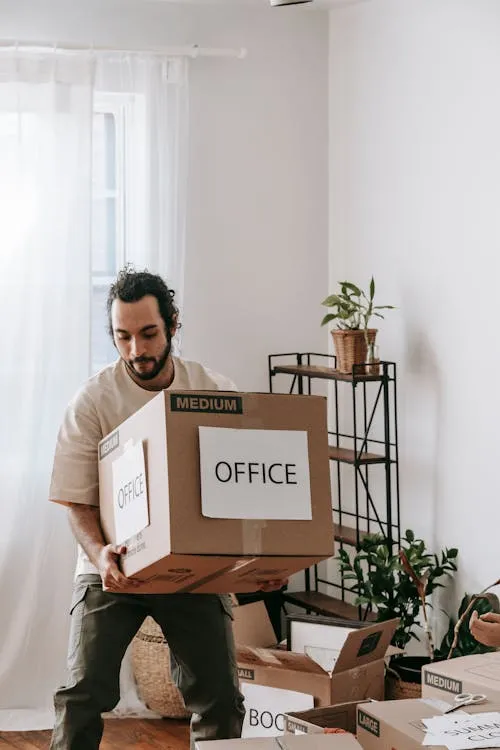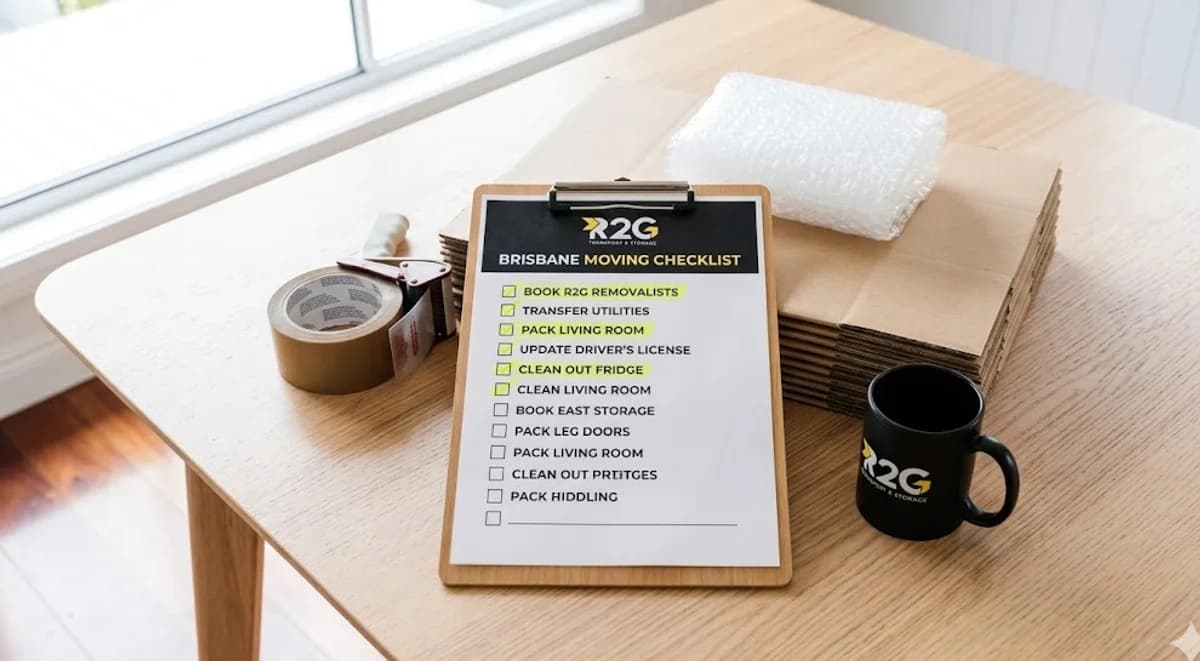
Packing a garage for moving takes longer than any room inside the house, so start it two to three weeks out, not the weekend before. Sort first, dispose of what cannot travel, then pack tools, garden gear and shelving into small, heavy-duty boxes with the heaviest items low. The shed follows the same order, with one extra check for soil and pot plants if you are in a fire ant zone.
Key takeaways
Start packing a garage and shed two to three weeks before moving day, because sorting takes longer than packing. Fuel, gas bottles and garden chemicals generally cannot go on a removal truck, so plan their disposal or transport early. Pack hand tools and hardware into small, strong boxes so no single carton gets too heavy to carry safely. Pot plants, soil and mulch from a fire ant biosecurity zone in South East Queensland carry legal movement rules. Clear the garage floor and label every box by destination so the crew can load it in one pass.
Why does packing a garage for moving take so long?
The garage is where a household keeps everything that does not have a home inside. Half-used tins of paint, three extension leads, a bike nobody rides, boxes that were never unpacked from the last move. Inside the house, a room is mostly furniture and things you use. Out in the garage, almost every item asks a question: keep it, sell it, tip it, or move it?
That is why our crews treat the garage as its own job on the quote rather than a line item tacked onto a three-bedroom house. On a typical Carindale or Springfield Lakes move, the inside of the house can be wrapped, boxed and staged by the front door, while the garage is still a wall of loose tools and open shelving when the truck arrives. Loose items mean extra trips, and extra trips on an hourly job add up. If you only get one room sorted early, make it this one.
What should you do with the garage before you pack a single box?
Sort in three passes. The first pass is a straight cull: broken tools, dried-out paint, rusted fixings, old garden pots and the lawn chair with the snapped leg. The second pass is selling or giving away things you will not use at the new place, which matters most if you are going from a house with a double lock-up garage to a townhouse with a single carport in somewhere like Newstead or Coorparoo. The third pass is deciding what genuinely comes with you.
Measure the new garage or shed before you decide what stays. A workbench that fits along the back wall of a Chermside lowset may not fit at all under a Queenslander, where the space between the stumps is often lower than it looks. Writing those keepers down as you go also feeds straight into your move list, and our guide on how to make a moving inventory list covers how to set one up so the quote reflects what is really there.
Book the tip run early
Brisbane City Council runs four resource recovery centres that take general waste, green waste and recycling. Do the cull the weekend before you pack and take the trailer load in early, so the rubbish is gone before the boxes start piling up.
What can't go on the removal truck from your garage?
Garages and sheds are where most of the items a removalist will refuse to load are kept: fuel, gas bottles, pool chemicals, solvents and anything flammable or corrosive. We cover the full list, and why it is not negotiable, in our guide to items removalists will not move, so we will not repeat it here. The practical point for packing is timing. Those items need a plan before moving week, not on the morning.
Brisbane City Council takes some of it any day of the year at its resource recovery centres. According to the Council's hazardous waste disposal page, that includes empty gas bottles (butane, LPG, propane, fire extinguishers and food-grade CO2, no heavier than 9kg and six per visit), motor oil, batteries and paint, with paint containers capped at 20 litres. Fuels, pool chemicals, pesticides and weed killers are only accepted on the Council's free household hazardous waste drop-off days, and items must stay in their original containers. Check the Brisbane City Council hazardous waste page for the next drop-off day before you count on it.
For anything you are keeping, such as a full LPG bottle for the barbecue, plan to move it yourself in a ventilated vehicle, upright and secured, rather than in a sealed car boot. Run the mower and whipper snipper dry the week before so there is no fuel left in the tank.
How do you pack tools, hardware and loose fixings?
Small boxes. That is the whole trick with tools. A large carton full of spanners and drill bits will either split or end up too heavy for one person to lift safely, and a crew member carrying it down a set of Ashgrove stairs should not be guessing at the weight. Use small, double-walled cartons for hand tools and hardware, and save the bigger boxes for light, bulky things like camping gear and pool toys.
Here is the order our packers follow when a garage is part of the job:
- Hand tools go in toolboxes or small cartons, with sharp edges (saws, chisels, secateurs) wrapped in cardboard or old towels and taped.
- Screws, nails and fixings go in sealed jars or zip-lock bags, then into a labelled box, never loose in a drawer.
- Power tools go back in their cases where you still have them, with batteries removed and packed separately.
- Long-handled tools (rakes, shovels, brooms) are bundled together with tape or rope so they load as one item.
- Chargers, cables and blades go in a single clearly labelled box you can find on day one.
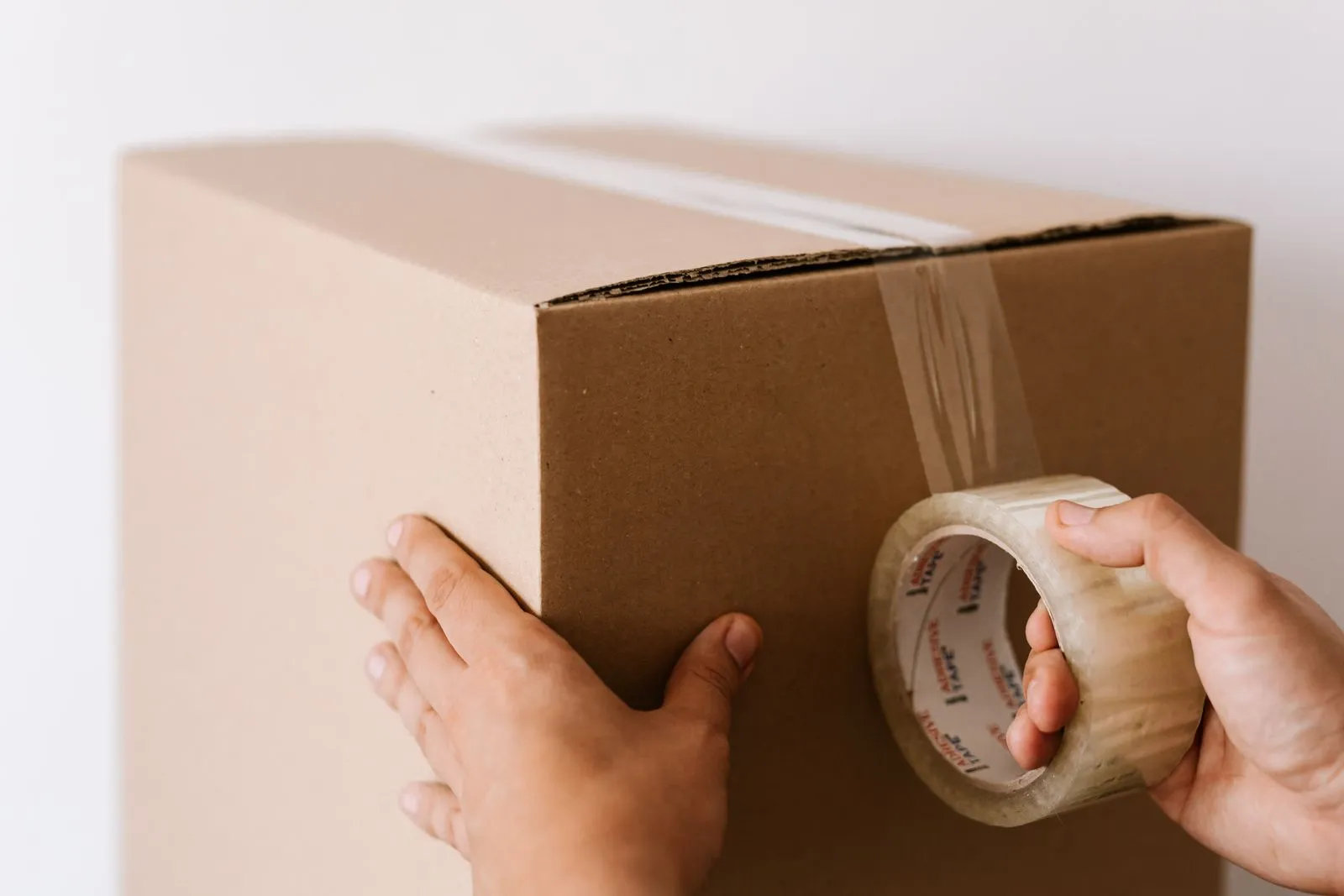
Bundling long-handled tools sounds minor, but loose rakes and shovels are among the items that eat time at the truck. Ten loose handles become ten trips, and a taped bundle becomes one. Sturdy cartons make all of this easier, and you can grab the right sizes from our range of moving boxes and packing supplies.
How do you move shelving, workbenches and garage storage?
Empty everything first. Metal shelving units and freestanding cabinets are moved empty, and in most cases they are moved flat. Boltless steel shelving from a hardware store comes apart in a few minutes, so take a photo before you start and tape the shelf clips into a bag on one of the uprights. A full cabinet with drawers is a strain risk for the crew and a damage risk for the cabinet.
Heavy workbenches, tool chests on castors and anything like a welder or bench grinder should be flagged when you book, not on the day. These are the items that decide whether the job needs an extra pair of hands or a truck with a tail lift. Roller tool chests are a common one: drawers need to be emptied or taped shut, and the chest strapped upright. Gym equipment is often stored in garages too, and we cover racks and treadmills in our guide to moving gym equipment.
“The garage tells us how the rest of the day will go. If the floor is clear and the boxes are labelled, the truck loads in one clean pass. If it is still open shelving and loose tools at 7am, we know the clock is going to run.”
, R2G Moving Team
How do you pack a garden shed for a move?
A shed is a garage in miniature with more dirt. Clean garden tools before you pack them, because soil caked on a spade ends up on everything else in the truck. Hose them off a few days before the move so they are dry when they go into boxes, which also stops rust starting in transit.
The mower, whipper snipper and blower travel best drained of fuel, cleaned of grass clippings and with the catcher removed and nested. Hoses can be coiled and tied, and hose reels stay on their frames. Bags of potting mix, fertiliser and mulch are where the shed gets tricky in South East Queensland, which is why fire ant rules have their own section below. Also clear out the gaps behind the shed and under the bench. That is where redback spiders like to live, and nobody wants one riding along in a box.

Do fire ant rules apply to pot plants and soil when you move?
They can, and plenty of Brisbane households do not realise it until moving week. Much of South East Queensland sits inside the fire ant biosecurity zones, and the National Fire Ant Eradication Program says it is an offence to move a live fire ant from a property. Soil, mulch, manure, turf and potted plants are all listed as fire ant carrier materials in its movement controls guide.
For potted plants, the program's guidance says you can move them if they have been at the property for less than 24 hours, if you follow its storage and treatment steps beforehand, or if you bare-root the plant and re-pot it at the new place, because a plant without soil is not treated as a high-risk material. Soil is stricter again, and moving it out of the zones needs a biosecurity instrument permit. Put both addresses into the fire ant material movement advice tool and read the movement controls guide before you pack the shed. The program's phone line is 13 22 68 if your situation is not clear.
In practice, a lot of people decide to give away the bags of potting mix and leftover mulch rather than deal with it. That is usually the simpler call.
What is the right order for packing a garage and shed?
Work from least-used to most-used, and finish with a clear floor. Seasonal and hobby gear goes first, about two to three weeks out: camping equipment, Christmas decorations, fishing rods, sports gear. Next week you pack spare tools and hardware, keeping a small kit of essentials. The final weekend is for garden gear, shelving coming down, and the tip run for anything left.
On moving day, stack the boxes near the garage door with heavy cartons at the bottom and labels facing out. Mark each one with where it goes at the other end, such as garage, shed or laundry, so the crew can drop it straight into the right space. Anything you are taking yourself, including gas bottles and paperwork, should be in your car before the truck backs into the driveway. Moving into a home without a garage? Short-term storage in Brisbane can hold the tools and outdoor gear while you work out a long-term spot for them.
Frequently Asked Questions
How far ahead should I start packing my garage before a move?
Start about two to three weeks before moving day. The garage takes longer than any room in the house because most of the time goes into sorting, selling and disposing of things rather than packing them. Begin with seasonal and hobby gear you will not need, then tools, and leave garden equipment and shelving for the final weekend.
Will removalists move my lawn mower?
Most removalists will move a lawn mower, but only once the fuel has been drained and the engine run dry, because fuel cannot travel on a removal truck. Clean off the grass clippings, remove the catcher and tell your removalist about it when you book. The same goes for whipper snippers, blowers, chainsaws and any other petrol-powered garden equipment you own.
Can I move pot plants and soil from my Brisbane garage or shed?
You can move pot plants, but if your address is in a fire ant biosecurity zone, the National Fire Ant Eradication Program sets rules. Plants that have been on the property longer than 24 hours need to be stored and treated correctly, or bare-rooted and re-potted at the new home. Moving soil out of the zones needs a permit, so check both addresses first.
What size boxes should I use for tools?
Use small, strong, double-walled boxes for tools and hardware. Tools are dense, and a large carton filled with spanners, drill bits or fixings quickly becomes too heavy to lift safely and can split during the carry. Keep big boxes for light, bulky items like camping gear, pool toys and sports equipment, and label every box with its contents and destination.
Getting the garage packed before the truck arrives
A garage and shed that are sorted, boxed and labelled before moving day make the whole job quicker and safer for everyone. If you would rather hand it over, our Brisbane packing team can pack the garage and shed for you, and our Brisbane removalists will load it all alongside the rest of the house. Tell us about the workbench, the tool chest and the ride-on mower when you get a free quote, so the right crew and truck turn up on the day.