Moving gym equipment safely comes down to three things: knowing what each piece weighs and how it comes apart, getting the weights and loose parts off the machines before the crew arrives, and telling your removalist exactly what is in the home gym when you book. Treadmills, power racks, cable machines and full plate sets are some of the heaviest and most awkward items in a house. Handled with a plan, they move like anything else. Handled as a surprise on the day, they slow the whole job and put people, walls and floors at risk.
Key takeaways
Moving gym equipment is mostly about preparation: strip the plates, dumbbells and attachments off every machine and pack small parts in labelled bags taped to the frame. Treadmills usually travel folded and locked, or with the deck separated if the manual allows it, and the running belt should never take the weight of a lift. Power racks, cable machines and multi-gyms often need partial dismantling so they fit through doorways and stack safely in the truck. A full list of the gym equipment, with photos and notes on stairs and access, lets a removalist bring the right crew, dollies and protection on the day.
What makes moving gym equipment different from other furniture?
Gym gear is unevenly weighted. A treadmill carries most of its weight in the motor housing at the front, so it tips forward the moment you lift the back. A cable machine has a stack of weight plates sitting on guide rods that will swing and jam if the stack is not locked or removed. A power rack is light per piece but becomes a tall, top-heavy frame once it is bolted together, and it often will not go through a standard internal doorway standing up.
Then there is the loose iron. Plates, dumbbells, kettlebells and barbells are small, dense and unforgiving. Packed badly, they punch through cartons, roll around a truck floor and damage anything they land on. Packed well, they are some of the easiest items in the house to load, because they sit low and stay put.
We see the same pattern on home gym jobs across Brisbane, from a garage setup in Carindale to a converted downstairs room in a high-set house in Ashgrove. The equipment itself is rarely the problem. The problem is finding out at 07:30 that the rack is still bolted to the slab, the cable stack is fully loaded, and the treadmill lives at the far end of a narrow hallway.
How do you move a treadmill without damaging it?
Start with the owner's manual. Most manufacturers explain how to fold the deck, how to lock it upright, and whether the console or uprights should come off for transport. If the manual is gone, most brands publish them online by model number. Follow what the maker says over any general advice, including ours.
The day before, unplug it and lower the incline to flat, because a treadmill left on an incline sits at an awkward angle and the lift mechanism takes strain in transit. Fold and lock the deck if it is designed to fold. Tape the power cord to the frame and put the safety key in your essentials box.
Our crews lift treadmills from the frame, never from the console arms or the running belt, and move them on a four-wheel dolly with the motor end low where the design allows. Each one is wrapped in furniture blankets and strapped upright against the truck wall so the deck cannot drop or slide. A non-folding commercial-style treadmill is a different job: it can need extra hands and sometimes partial dismantling to get through doorways, so mention it when you book.

Should you dismantle a power rack or home gym before moving?
Usually, yes, at least partly. A squat rack or power rack bolted together is too tall to stand up in most trucks without risk, and too awkward to carry through a house. Taking off the pull-up bar, the J-hooks, the safety arms and any attachments, then splitting the uprights from the base, turns one dangerous object into several manageable ones. If the rack is bolted to a concrete slab in a garage, the anchors need to come out before the crew arrives.
Multi-gyms and cable machines are where people get caught out. The weight stack must be either fully removed or pinned and secured so it cannot slide on the guide rods. Cables and pulleys should be left as they are unless you are confident you can rethread them, because reassembling a cable path from memory is a frustrating afternoon. Take photos of every side before anything comes off. The photos are what make reassembly quick at the new place.
Here is the prep we ask for on any home gym before moving day:
- Strip every plate, collar and attachment off bars, racks and machines, and stack the plates flat on the floor.
- Put bolts, pins and small parts for each machine in a labelled snap-lock bag and tape it to that machine's frame.
- Photograph each machine from every side before dismantling, plus close-ups of cable routing and bolt positions.
- Lower adjustable benches and seats to their flattest setting and lock any pop pins.
- Remove wall anchors or floor bolts, or tell us in advance that they are still fixed.
None of this needs special tools beyond a socket set and an Allen key set in most cases. Done the week before, it takes the dismantling off the moving day clock and means the crew is carrying parts, not wrestling a fully assembled frame. Flat-pack style gym gear follows much the same logic as the furniture in our guide to moving flat-pack furniture.
How should you pack weight plates, dumbbells and kettlebells?
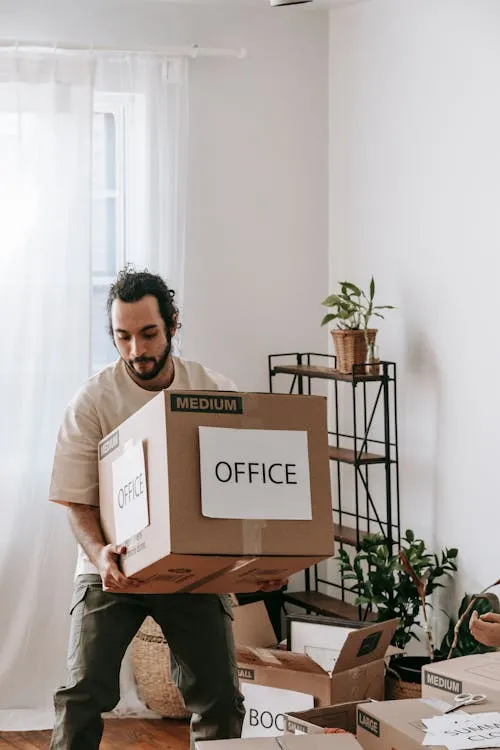
Heavy and small means small boxes. Pack plates and dumbbells in small, strong cartons or plastic crates, never in large boxes, and never so full that one person cannot lift the box safely. A carton full of iron that a person cannot carry safely does not move faster, it just gets left until last. Fill gaps with towels or packing paper so nothing shifts, tape the base twice, and label each box with the room and the word heavy.
Bumper plates and larger iron plates can travel flat on the truck floor without a box, stacked low and strapped. Barbells travel wrapped in a blanket, laid along the floor or secured against the wall, with the collars removed and packed separately. Kettlebells sit on the floor in a row, wrapped, so they cannot roll.
Do not hide iron in other boxes
Do not put dumbbells or plates in the bottom of a box of linen or books to save space. The crew cannot see the weight, the box gets lifted like a normal carton, and that is how cartons split on stairs. Keep the gym gear in its own clearly labelled boxes.
Is moving gym equipment safe to do yourself?
Some of it is. Packing plates, bagging bolts and taking the attachments off a rack are jobs most owners can do safely in a weekend. Carrying a treadmill down a flight of stairs or lifting a cable machine frame onto a trailer is a different story. WorkSafe Queensland notes that sprains and strains are the most common workplace injury and that the vast majority are caused by hazardous manual tasks, and heavy, awkward gym gear is a textbook example of one.
Professional crews work with the equipment for the job: four-wheel dollies, stair-rated trolleys, lifting straps, furniture blankets and a truck with a tail lift where needed. Under Australian Consumer Law, the ACCC explains that service providers must use due care and skill and take reasonable steps to avoid causing loss or damage. For a removalist, that means planning the lift, protecting the item and the property, and not taking shortcuts with heavy pieces.
Gym gear is not on the list of things removalists refuse to carry, but fuel for equipment such as a generator or a mower is. Our guide to the items removalists will not move covers what has to stay with you in the car or be disposed of before moving day.
How do stairs and access change a home gym move?
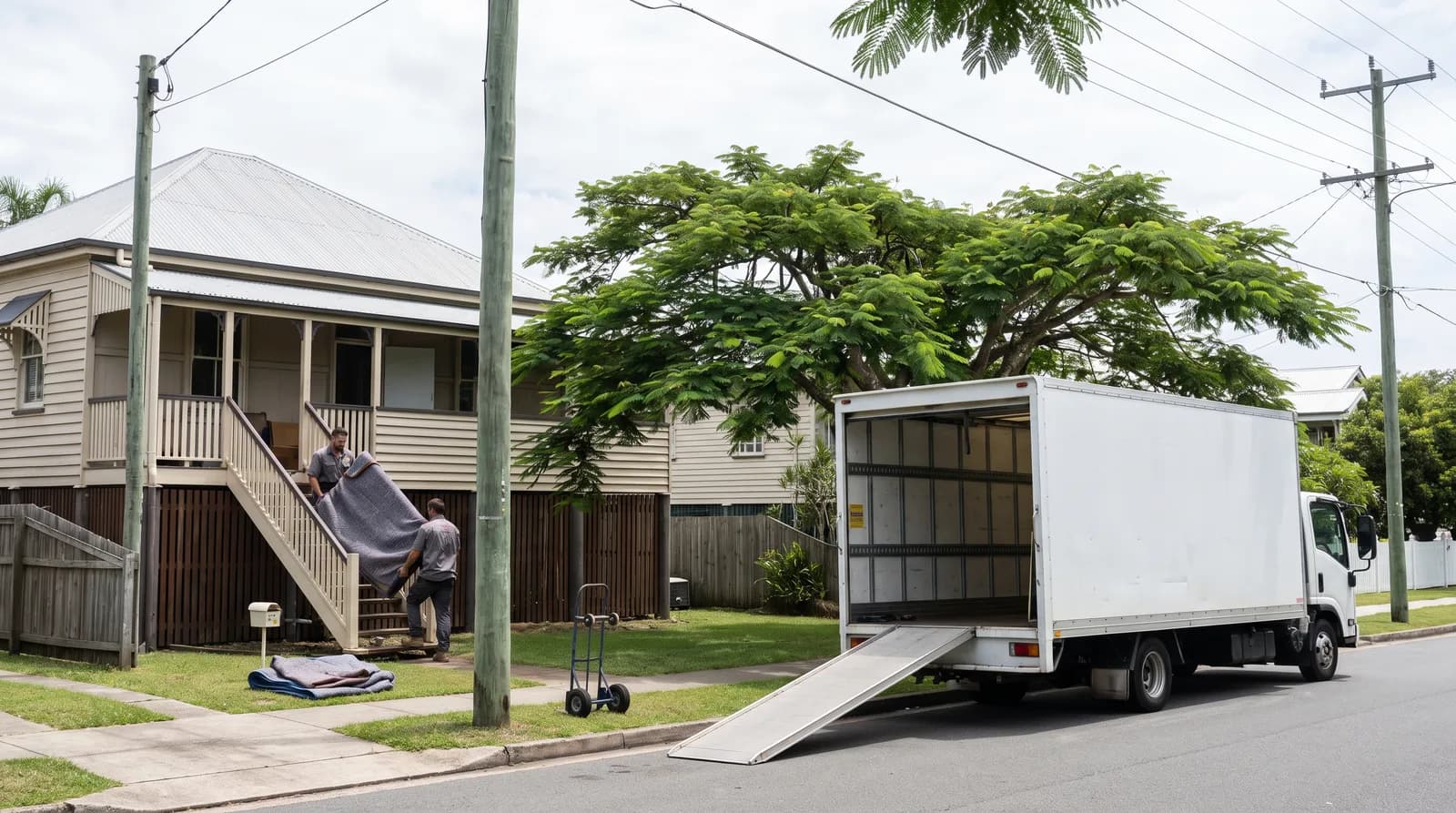
Access matters more with gym equipment than with almost anything else in the house. A treadmill in a ground-floor garage in Springfield Lakes with the truck backed up to the roller door is quick. The same treadmill in the upstairs spare room of a Coorparoo Queenslander, down a steep internal staircase and out across a verandah, is a two or three person carry with careful planning on every turn.
Apartments add lift bookings and body corporate rules. A home gym in a Newstead or South Brisbane tower needs the lift booked, padded and long enough for the gear to fit. Measure the lift door and car before you book, because a folded treadmill is tall and a rack upright is long. Our guide to apartment removalists in Brisbane covers lift bookings and loading docks in more detail.
“Gym gear is rarely the hardest thing we move. It becomes hard when it is still assembled, still loaded with plates, and sitting at the top of a staircase nobody mentioned when the job was booked.”
, R2G Moving Team
How does gym equipment affect the time and quote for a move?
Gym equipment adds to the volume, the weight and often the handling time, so it belongs in your inventory with as much detail as you can give. List each machine by type and, if you can, by model, note whether it folds or comes apart, and say where it sits in the house. Photos are the quickest way to give a removalist the full picture.
The time it adds depends on how ready it is. Plates already off, racks already split and bolts bagged means the gym moves much like any other room. Equipment that still needs dismantling on the day adds crew time at both ends, and so do stairs and long carries. Our guide to how long a house move takes explains how access and preparation change the hours on the day.
What if the gym equipment cannot go straight into the new home?
Sometimes the new place is not ready: a garage that needs a new floor, a renovation running late, or a settlement gap between homes. Gym gear stores well when it is clean, dry and protected. Wipe down sweat and chalk residue, cover the frames, and keep the plates off bare concrete where condensation can collect.
Brisbane's humid summers are hard on bare steel and cable, so wrap equipment properly before it goes into secure storage between homes, and keep the parts bags with each frame so nothing goes missing when it comes back out.
Frequently Asked Questions
Do removalists move gym equipment?
Most removalists move gym equipment such as treadmills, exercise bikes, benches, racks, plates and dumbbells, but they need to know about it when you book. Heavy or bulky machines can need extra crew, a dolly or tail lift, and time for dismantling. Tell your removalist what equipment you have, where it sits in the house, and whether it has already been taken apart.
Should I take the weights off a cable machine before moving?
Yes, or at least lock the weight stack so it cannot move on the guide rods. Loose plates in a stack can slide, swing and damage the frame or the truck, and they make the machine far heavier to carry. Check the owner's manual for the maker's transport advice, and take photos of the cable routing before you touch anything so reassembly is straightforward.
Can a treadmill be moved on its side?
Some treadmills can be laid on their side for transport, but many manufacturers advise against it because it can stress the motor mounts, the deck or the incline mechanism. Check the owner's manual first. Where the manual is silent, moving it upright and folded, wrapped and strapped against the truck wall, is the safer default for most folding home treadmills.
How do I protect floors when moving heavy gym equipment?
Lay down floor protection along the route the crew will use, keep rubber gym mats aside to cover hard floors, and make sure heavy frames travel on a dolly rather than being dragged. Removing plates and dismantling racks before moving day reduces the weight of each lift, which is what protects floors, walls and door frames the most.
Booking a crew for your home gym move
R2G Transport & Storage has been moving homes out of our Archerfield and Cairns depots since 2014, and we are AFRA accredited. Tell us what is in your home gym, how it is set up and what the access looks like at both ends, and our removalists in Brisbane will plan the crew, the equipment and the truck around it. When you have your list ready, get a free quote and we will work out the job with you.