
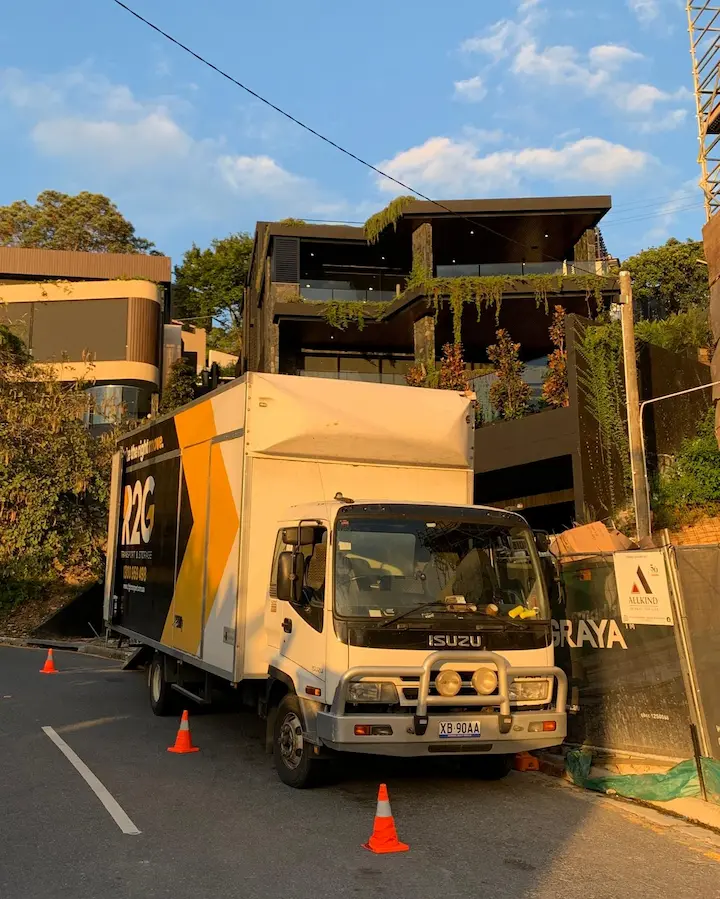
Choosing a removalist is one of the most important decisions you'll make during your move. The right company makes the day smooth and stress-free. The wrong one can mean damaged furniture, hidden fees, no-shows, or worse, a truck that disappears with your belongings. Unfortunately, the moving industry has a lower barrier to entry than most trades, which means quality varies enormously. Here's how to tell the professionals from the cowboys.
1. Check Their ABN and Insurance
Every legitimate removalist in Australia must have an active Australian Business Number (ABN). You can verify any ABN for free on the Australian Business Register website. If a company can't provide an ABN or asks you to pay cash with no receipt, walk away immediately. This is the single biggest red flag in the industry.
Beyond the ABN, ask specifically about insurance. There are two types that matter: public liability insurance (which covers damage to your property, walls, floors, doorframes) and transit or cargo insurance (which covers your belongings while they're on the truck). Many removalists only carry public liability and assume you'll arrange your own transit cover. Ask directly: what happens if my items are damaged during the move? Get the answer in writing.
What 'fully insured' actually means
When a removalist says they're 'fully insured,' this almost always means they carry public liability insurance to protect your property. It rarely means your belongings are covered for accidental damage during transit. Always ask what specific policies they hold and request certificates of currency.
2. Read Reviews, But Read Them Properly
Google reviews are the most reliable indicator of a removalist's real-world performance. But don't just look at the star rating, read the actual reviews, especially the negative ones. Every company gets the occasional bad review, but look for patterns. Consistent complaints about hidden charges, lateness, damaged items, or rude staff are warning signs that no five-star review can offset.
- Be wary of companies with only five-star reviews and generic language, these can be fabricated
- Look for reviews that mention specific details like crew names, dates, or routes, these are almost always genuine
- Check how the company responds to negative reviews, professional responses show accountability, defensive or aggressive responses show a culture problem
- Check multiple platforms: Google, Facebook, ProductReview, and local community groups
3. In-Home Quotes vs Phone Quotes
For any move larger than a studio apartment, an in-home quote (or detailed video walkthrough) is significantly more accurate than a phone or email quote. A phone quote is an educated guess based on what you tell them. An in-home quote is a professional assessment based on what they see. The removalist can assess access at both ends, identify items that need special handling, spot potential issues like tight staircases, and give you a fixed price rather than an estimate.
Be cautious of any removalist who gives you a firm price over the phone for a large move without seeing your home. They're either overquoting to cover themselves or underquoting to win the job, and they'll find the extra cost on moving day when your options are limited. If you're looking for accurate pricing, our team offers free, no-obligation quotes based on a proper assessment. Request a quote to see the difference.
4. Get Everything in Writing
A verbal quote is worth the paper it's printed on, nothing. Any reputable removalist will provide a written quote that clearly details the scope of work, the total cost, what's included, and what's not. The quote should specify the number of crew members, the size of truck, the estimated time, and any additional charges for stairs, long carries, or after-hours work.
- Fixed-price quotes are better than hourly rates for larger moves, you know exactly what you'll pay
- Hourly rates should include a clear minimum charge and any travel time charges
- Check whether the quote includes GST, some operators quote ex-GST to appear cheaper
- Ask about cancellation and rescheduling policies before you commit
5. Ask the Right Questions
The questions you ask during the quoting process reveal a lot about the company. A good removalist will answer confidently and transparently. An unreliable one will be vague or evasive. Here are the questions that separate the professionals from the rest.
- How long have you been operating? (Look for established businesses with a track record)
- Are your crew employees or subcontractors? (Employees are generally better trained and more accountable)
- What protection do you provide for furniture? (Professional movers use quilted blankets, not old towels)
- Do you disassemble and reassemble furniture? (Most do, but confirm what's included)
- What happens if the move takes longer than quoted?
- Can you provide references from recent customers?
- What is your process for handling damage claims?
6. Red Flags That Should Stop You Immediately
After years in the industry, we've seen every trick in the book. These are the red flags that should make you cross a removalist off your list without hesitation.
- No ABN or refusal to provide one, this operator is either unregistered or hiding something
- Cash-only payment with no invoice or receipt, this is tax evasion and leaves you with zero recourse if something goes wrong
- No written quote, if it's not in writing, it doesn't exist
- A quote that's dramatically cheaper than all others, this is either a bait-and-switch or an operator who will cut corners on equipment, crew, and care
- No visible branding on their truck, professional companies invest in their identity
- Asking for a large upfront deposit before moving day, a small booking deposit is normal, but paying 50% or more upfront is risky
- No physical address or landline number, legitimate businesses have a base of operations
“The cheapest quote is rarely the best value. A damaged $2,000 sofa costs far more than the $200 you saved by choosing an uninsured operator.”
, R2G Moving Team
7. Comparing Quotes Fairly
When you receive multiple quotes, make sure you're comparing like with like. A lower price might mean a smaller truck (requiring two trips), fewer crew members (meaning a longer move), or no furniture protection included. Break each quote down into its components: truck size, crew numbers, estimated hours, inclusions, and insurance. The cheapest headline price is often the most expensive move once you factor in the extras.
Three quotes is the sweet spot for most moves. Fewer than three doesn't give you enough comparison. More than five creates decision fatigue without adding much useful information. For office relocations or large homes, a detailed written scope of work from each company makes comparison far easier.
8. Trust Your Instincts
Finally, trust your gut. The way a company handles the quoting process tells you everything about how they'll handle your move. Are they responsive? Do they answer your questions clearly? Do they turn up on time for the quote? Are they professional and courteous? A removalist who is difficult to deal with before they have your money will only get worse after you've committed.
Your belongings represent years of memories and thousands of dollars. They deserve a removalist who treats them with the same care you would. Whether you're moving across Cairns, relocating to Brisbane, or heading anywhere in Australia, take the time to choose well, your future self will thank you.
Ready to Get a Proper Quote?
We believe in transparent pricing, written quotes, and treating your belongings as if they were our own. If you're planning a move and want to see what a professional removalist quote looks like, get in touch with our team for a free, no-obligation assessment. We service Cairns, Brisbane, the Gold Coast, the Sunshine Coast, and interstate routes across Australia.