Australia is in the middle of one of the biggest internal migration shifts in a generation. More than 100,000 Australians cross a state border every year looking for cheaper housing, warmer weather, better jobs, or a slower pace of life. In 2026, those patterns are clearer than ever. Queensland is gaining tens of thousands of new residents, New South Wales is hemorrhaging families it cannot replace, and Western Australia is quietly having its best year for arrivals since the mining boom. This is the full picture of where Australians are moving in 2026 and what is driving the shift.
The National Picture
Australian Bureau of Statistics data for the most recent 12-month period shows interstate migration is accelerating again after a brief cool-down in 2024. Roughly 415,000 Australians moved between states in the latest year. Queensland and Western Australia are the only states posting meaningful net gains. New South Wales, Victoria, and the ACT are all net losers. South Australia is close to neutral, and Tasmania has flipped from gaining residents during the pandemic to losing them as lifestyle migration unwinds.
Net Interstate Migration by State (Latest ABS Data)
- Queensland: +21,595 net arrivals
- Western Australia: +9,800 net arrivals
- South Australia: +200 net arrivals
- Northern Territory: -600 net departures
- Tasmania: -1,400 net departures
- ACT: -2,100 net departures
- Victoria: -3,200 net departures
- New South Wales: -24,328 net departures
The NSW number is the one everyone talks about. More than 24,000 net departures in a single year is the largest interstate outflow any Australian state has recorded since 2005. For context, that is enough people to fill a mid-sized regional town, and they are almost all leaving Sydney.
Queensland: The Destination of the Decade
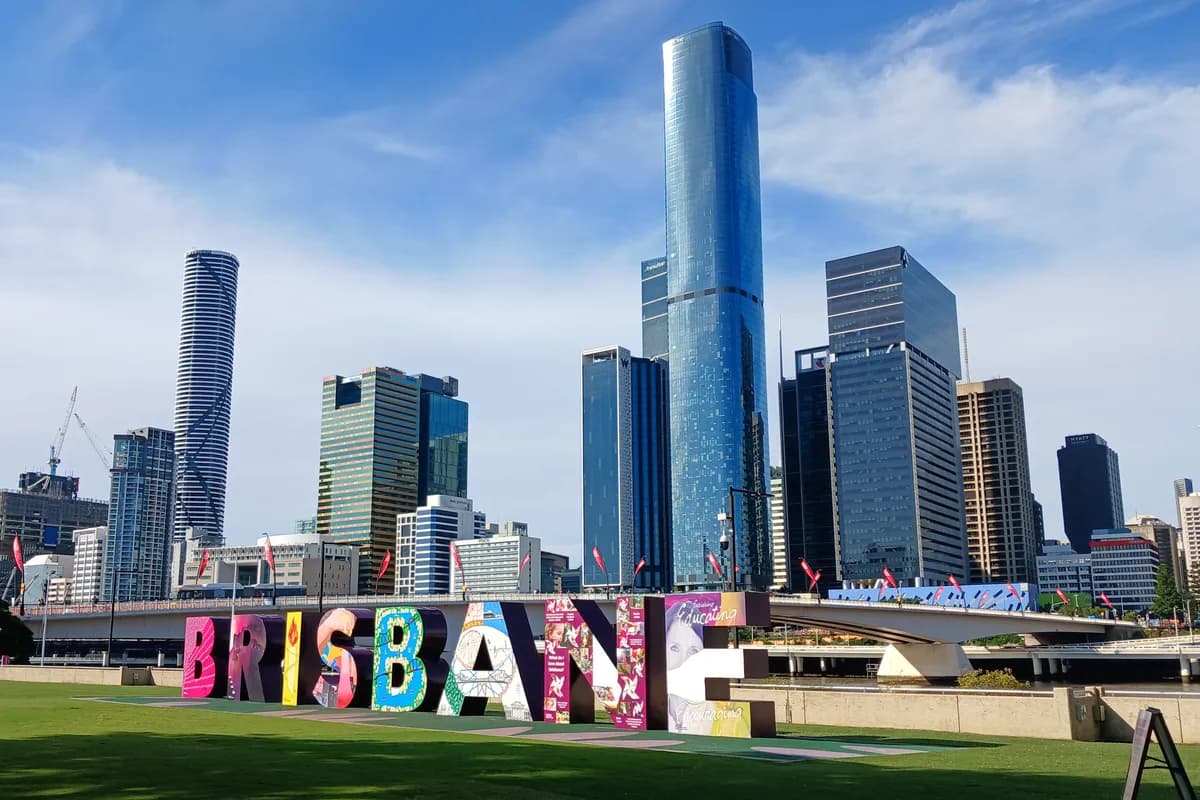
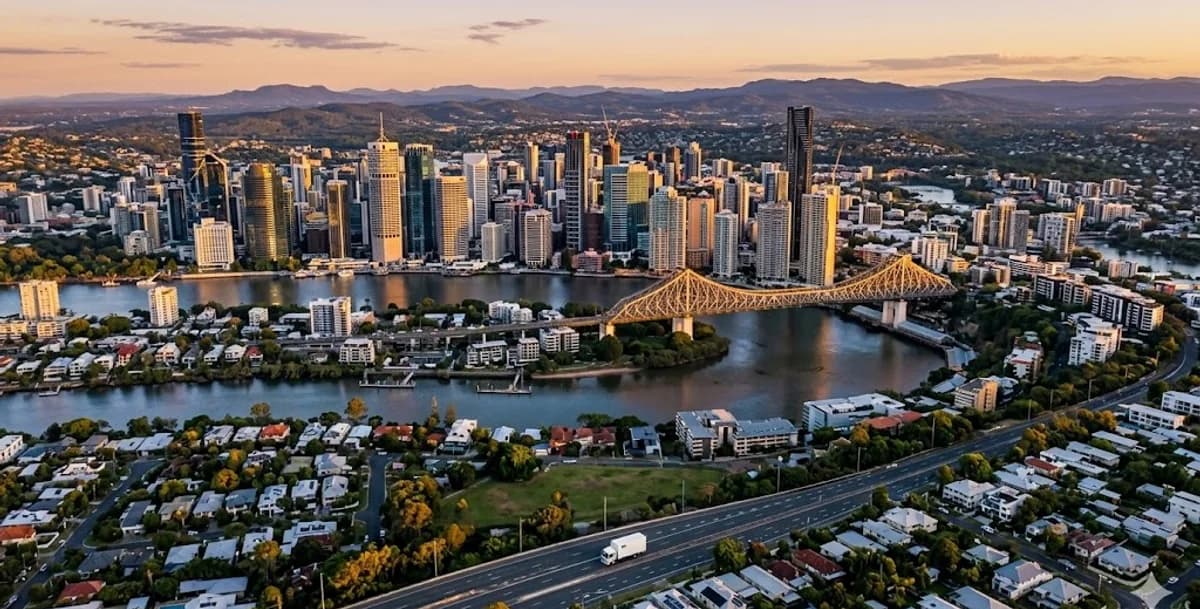
Queensland has been the number one destination for internal migration for five years running, and the gap keeps widening. Of the 21,595 net arrivals in the latest ABS period, more than 14,000 settled in South East Queensland. Brisbane, the Gold Coast, and the Sunshine Coast are absorbing most of the growth, though Cairns and Townsville are also gaining residents as remote work becomes permanent for many households. Our team has seen interstate bookings to Queensland rise year on year, which is why we expanded our interstate removalist fleet in 2025.
Why Queensland Is Winning
- House prices remain 20 to 30 percent below Sydney and Melbourne equivalents, even after strong growth
- Median Brisbane rent sits at $727 per week, still cheaper than Sydney's $780
- Queensland has added more jobs than any other state over the past two years
- Climate, lifestyle, and a long coastline are pulling remote workers and retirees in equal numbers
- Infrastructure spending linked to the 2032 Olympics is creating confidence in the long-term outlook
New South Wales: The Great Sydney Exodus
New South Wales continues to lose residents faster than it can replace them from interstate, and the drivers are well known. Sydney remains the most expensive housing market in the country. The median house price in Sydney crossed $1.65 million in early 2026, and rents averaged $780 per week. For young families, that combination is no longer workable. Roughly 65 percent of Sydney leavers are aged between 25 and 44, the peak family-forming years. Most are heading to South East Queensland, with the Gold Coast and northern Brisbane suburbs absorbing the largest share.
Regional NSW has softened the blow slightly. The Central Coast, the Hunter, and the Illawarra are all gaining residents from Sydney, but the total regional NSW gain does not come close to offsetting Sydney's losses. The net effect is a state that is losing more people across its borders than it is attracting, every single quarter.
Victoria: Still Losing, But Slower
Victoria's net loss of around 3,200 residents is small compared to NSW, but it is significant because Melbourne used to be the country's fastest growing capital. Post-pandemic, Melbourne has struggled to recover its pre-2020 migration appeal. Housing is cheaper than Sydney but still high relative to Brisbane or Perth, and the lingering effects of extended lockdowns pushed many interstate migrants to reconsider. Most of the departures are heading to Queensland, though Western Australia has picked up a growing share of Melbourne leavers, particularly from the eastern suburbs.
Western Australia: The Quiet Success Story
Perth is having its best interstate migration year in more than a decade. WA posted a net gain of roughly 9,800 residents in the latest ABS period, driven almost entirely by arrivals from NSW and Victoria. Perth's median house price is still well under $800,000, the economy is benefiting from the lithium and critical minerals boom, and a relatively affordable lifestyle is pulling families westward. The downside is distance, which keeps Perth out of consideration for many households. For those who do make the jump, it is often a long-term move rather than a try-it-and-see.
Tasmania: The Lifestyle Unwind
Tasmania was the surprise winner of the pandemic migration wave. Hobart and Launceston saw property prices surge by more than 40 percent between 2020 and 2022 as mainlanders fled to what felt like a quieter, safer, and more affordable lifestyle. That story has now reversed. Tasmanian property prices softened in 2024 and 2025, rental availability improved, and many of those pandemic migrants have decided that long winters and limited job markets are harder to live with than they expected. Tasmania is now a net loser of interstate residents, mostly back to Victoria and Queensland.
Where People Are Actually Landing
Zooming in below the state level, five regions are dominating interstate arrivals in 2026. These are the most popular destinations Australian families are choosing when they pack up and cross a state border.
Top 5 Interstate Migration Destinations in 2026
- South East Queensland (Brisbane, Gold Coast, Sunshine Coast): Roughly 14,000 net arrivals. The clear number one for families, retirees, and remote workers
- Perth metro: Around 8,500 net arrivals. The fastest growing capital by percentage, powered by jobs and affordability
- Cairns and Far North Queensland: Around 2,000 net arrivals. Lifestyle migration from cooler southern states
- Regional NSW (Central Coast, Hunter, Illawarra): Around 4,000 net arrivals from Sydney, softening the NSW picture
- Adelaide metro: Around 1,500 net arrivals. Small but stable growth as affordability attracts Victorian families
Who Is Actually Moving: The Demographics Behind the Numbers
The headline migration numbers only tell half the story. The more interesting question is who exactly is packing up and crossing a state border. ABS census and internal migration data shows three distinct groups behind the 2026 flows, and each is moving for slightly different reasons.
Young Families (25 to 44)
This age group is the largest share of interstate movers and the engine behind Queensland's growth. Around 65 percent of the people leaving Sydney are in this bracket, and most are arriving in Brisbane, the Gold Coast, and the Sunshine Coast with young kids in tow. The motivation is almost always the same: a two-bedroom flat in Marrickville costs more than a four-bedroom house on the Gold Coast, and after the kids start arriving, the maths stops working. Queensland's housing affordability, combined with strong schools in many growth suburbs, makes it the obvious destination.
Remote Workers (30 to 55)
Post-pandemic remote work is no longer a trend, it is a permanent feature of the Australian labour market. Roughly 35 percent of white-collar workers now spend at least two days a week working from home, and a significant minority work fully remote. For these households, the only real constraint on where they live is lifestyle and cost. That has sent thousands north to places like Cairns, Port Douglas, Byron Bay, and the Sunshine Coast hinterland, where a home office, good internet, and an ocean view beat a CBD commute in every respect.
Retirees and Downsizers (60+)
Retirement migration has been a quiet driver of Australian internal migration for decades, and 2026 is no different. Cashed-up retirees are selling expensive southern homes, downsizing into smaller coastal properties, and pocketing hundreds of thousands of dollars in the process. The Gold Coast and the Sunshine Coast are the traditional retiree favourites, but Townsville, Mackay, and Cairns are increasingly popular for retirees chasing warmer winters. In some Gold Coast suburbs, retirees from NSW now account for nearly 20 percent of recent home purchases.
What Is Driving the Shift
Three forces are doing most of the work behind these numbers. The first is housing affordability. When the median Sydney house costs 60 percent more than the median Brisbane house, and the job markets are converging thanks to remote work, families vote with their moving trucks. The second is climate and lifestyle, which has been a quiet but steady driver of northward migration for decades and accelerated sharply after the pandemic. The third is generational wealth transfer. Retirees cashing out of expensive southern capitals are buying smaller homes in Queensland and the Perth coast, freeing up hundreds of thousands of dollars for the next chapter.
The average interstate mover saves $380 per week
Analysis of typical Sydney-to-Brisbane moves in 2026 shows a median saving of $380 per week in combined rent and cost-of-living expenses, according to SQM Research and CoreLogic data. Over two years, that is a full house deposit.
Suburb Hotspots: Where the New Arrivals Are Actually Landing
Once interstate migrants land in Queensland, they do not spread evenly. Certain suburbs are absorbing a disproportionate share of the newcomers, and rental vacancy data makes the pattern clear. These are the growth suburbs where the 2026 migration is concentrating.
- Pimpama and Coomera (Gold Coast North): Massive new housing estates, schools opening every year, and direct M1 access to Brisbane. The single busiest corridor for interstate arrivals
- North Lakes and Mango Hill (Brisbane North): Master-planned suburbs with shopping, health, and schools. Popular with NSW families wanting a complete community from day one
- Ripley and Springfield Lakes (Brisbane West): Affordable new-build suburbs inside the SEQ growth plan. Strong rental demand and significant price growth over the past 18 months
- Caloundra and Birtinya (Sunshine Coast): Beach lifestyle with a major hospital precinct and a growing tech sector. Retirees and remote workers both love it
- Edmonton and Gordonvale (Cairns): Tropical lifestyle migration at a fraction of southern prices. Gaining families and remote workers in roughly equal measure
The common thread in all of these suburbs is master-planned community design. Interstate movers tend to prefer areas where schools, shopping, parks, and medical services are all walkable or a short drive, which reflects the reality that most of them are relocating without family or friends nearby. Moving to a suburb where everything already works is a much lower-risk decision than a fixer-upper in an unfamiliar neighbourhood.
The 2032 Olympics Effect
Brisbane winning the 2032 Olympic and Paralympic Games has already reshaped the long-term picture for South East Queensland. Infrastructure investment linked to the Games is running at more than $7 billion across transport, venues, and urban renewal. The Cross River Rail, the Brisbane Metro, and major upgrades to the M1 are all bringing forward connectivity improvements that normally would have taken another decade. For interstate buyers, the Olympics creates confidence in long-term capital growth, which is why many NSW and Victorian families are happy to pay premium prices in SEQ in 2026. They are betting on the city looking very different by 2032, and the early signs suggest they are right.
The Economic Case for Moving North
Interstate migration ultimately comes down to maths. The sharpest way to look at it is to compare two otherwise-identical households, one in Sydney and one in Brisbane, and track the difference in wealth after five years. Using median housing and rental data from 2026, a household earning $180,000 combined and renting a family home in Sydney pays roughly $40,600 in annual rent. The same household renting an equivalent home in Brisbane pays around $37,800. That annual saving looks modest on paper, but it grows significantly once you factor in cheaper childcare, lower fuel costs, shorter commutes, and lower council rates. Over five years, the typical interstate-moving family is between $45,000 and $80,000 better off for making the switch.
For buyers, the gap is even larger. A household purchasing a $900,000 home in Brisbane versus a $1.6 million home in Sydney is looking at roughly $35,000 per year less in mortgage repayments and stamp duty spread over the loan term. That is real money that funds renovations, holidays, school fees, or simply a more comfortable life. This is the core calculation driving the 24,000-person Sydney exodus.
What It Means for 2026 and Beyond
The patterns shaping 2026 are likely to continue through the second half of the decade. The 2032 Brisbane Olympics will keep Queensland in the international spotlight and pull both jobs and investment north. Sydney's housing affordability problem is not solving itself any time soon. Perth is benefiting from a structural commodity boom that should last several more years. Expect Queensland and WA to keep absorbing population, NSW to keep bleeding families, and Victoria to stabilise somewhere in the middle.
For our part, R2G has been busy. Interstate bookings are up across every route we operate, with Brisbane arrivals leading the demand. If you are planning a long distance move, booking early is more important than ever. Peak season now extends from September to April, and top-rated removalists are often booked out four to six weeks in advance.
The Tropical Migration Trend
One of the more interesting sub-stories of 2026 is the quiet growth of tropical North Queensland. Cairns, Port Douglas, Mission Beach, and Townsville have all posted positive net migration numbers for the third year running, and the composition of arrivals is unusual. Traditionally, North Queensland attracted retirees and tree-changers. In 2026, remote workers and young families are matching them in volume. The drivers are the same as elsewhere (cheaper housing, better lifestyle, warmer climate), but with one extra factor. North Queensland property remains well below the state average, with median Cairns house prices around $540,000 versus Brisbane's $820,000. For a young family with a fully remote income and no need to commute, that gap is life-changing.
The downside of tropical migration is distance. Moving from Melbourne to Cairns is nearly 3,000 kilometres, which puts it firmly in backloading territory for anyone trying to keep costs down. A full-service direct move from Melbourne to Cairns typically runs $6,500 to $9,500 for a three-bedroom household. A backload with flexible timing can cut that by 30 to 50 percent. This is one of the main reasons we expanded our Cairns depot capacity in 2025.
Interest Rates and the Migration Wave
Interest rate movements have played a larger role in interstate migration than most commentators admit. When rates rose sharply in 2022 and 2023, households with expensive Sydney mortgages were the first to feel the pinch. Many of them sold and moved to cheaper markets to reduce monthly repayments. The Reserve Bank's shift back to cutting rates in 2025 has eased that pressure slightly, but the pattern of Sydney-to-Queensland relocation has not slowed. One explanation is that once a family has gone through the trouble of leaving Sydney, they rarely come back. The barriers to moving are high, the decision is emotional as much as financial, and the lifestyle gains of Queensland are hard to unwind once you have experienced them.
Planning Your Own Move
If you are one of the thousands joining the migration to Queensland, start with our complete guide to moving to Brisbane and our full interstate moving guide. You can also read the R2G Moving Index 2026 for the full data set behind this article, including suburb-level breakdowns and rental market charts. Ready to book? Get a free interstate quote from our team and see why Queensland families keep choosing R2G for their long distance moves.
“Every week we load another truck heading north. The stories are similar: a family priced out of Sydney or Melbourne, chasing space, sunshine, and a future they can actually afford.”
, R2G Interstate Team