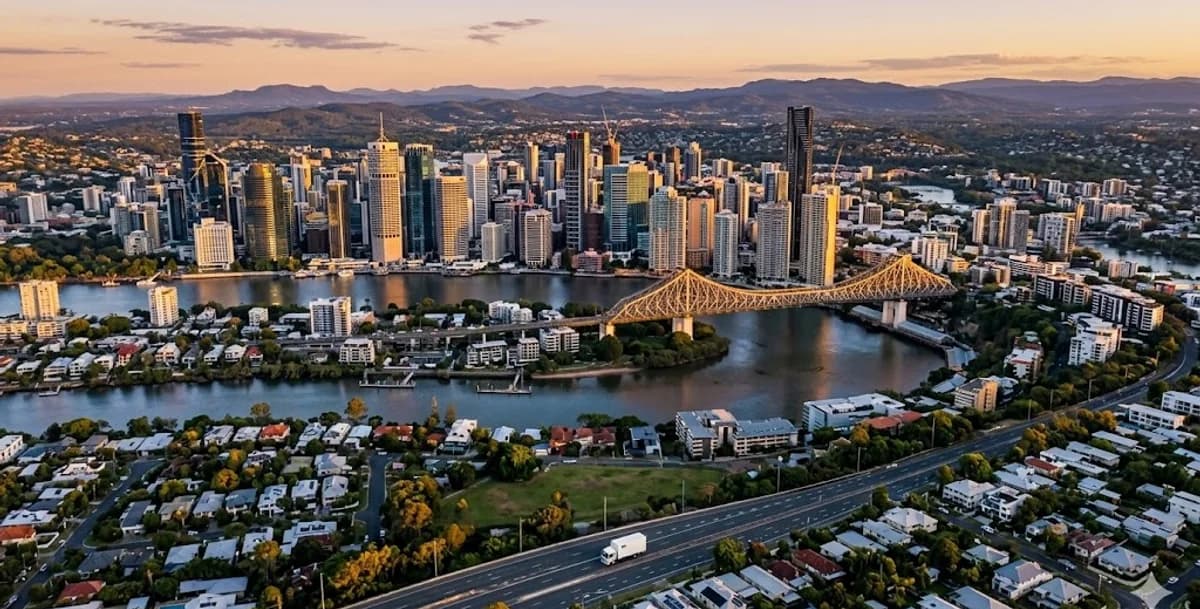
Brisbane has become one of Australia's fastest-growing cities, and for good reason. Affordable housing compared to Sydney and Melbourne, a subtropical climate, a strong job market, and major infrastructure investment ahead of the 2032 Olympics have made it the top destination for interstate movers. Whether you are relocating for work, lifestyle, or simply a fresh start, this guide covers everything you need to know about moving to Brisbane in 2026.
Why People Are Moving to Brisbane
Brisbane has attracted record numbers of interstate migrants over the past five years. The city offers a genuine outdoor lifestyle with 280+ days of sunshine per year, a rapidly expanding job market in healthcare, construction, technology, and professional services, and property prices that remain significantly lower than Sydney and Melbourne. The 2032 Olympic Games are driving billions of dollars in infrastructure spending across transport, sports venues, and urban renewal, making Brisbane one of the most dynamic cities in the country right now.
Brisbane's Best Suburbs by Lifestyle
For Families
If you are moving with kids, Brisbane has no shortage of family-friendly suburbs with great schools, parks, and a sense of community. Indooroopilly and Kenmore on the western side offer excellent public and private schools, quiet streets, and easy access to the CBD. Aspley and Chermside in the north have everything families need within a short drive. On the south side, Carindale and Sunnybank combine good schools with large shopping precincts and multicultural dining. These suburbs offer the kind of safe, suburban lifestyle that families prioritise.
For Young Professionals
If you want to be close to the action, Brisbane's inner-city suburbs deliver. New Farm is consistently rated one of Brisbane's most desirable postcodes, with its riverfront parks, weekend markets, and walkable streets. West End and South Brisbane are packed with cafes, bars, and cultural venues. Fortitude Valley is the nightlife hub, while Paddington offers a quieter village atmosphere with character homes and boutique shops. All of these suburbs are within a short commute to the CBD.
For Affordability
If your budget is a priority, Brisbane's outer suburbs and satellite cities offer excellent value. Logan and Springfield in the south have experienced massive growth, with newer estates, modern amenities, and improving transport connections. Ipswich to the west has some of the most affordable property in South East Queensland and is only 40 minutes from the CBD by train. Caboolture and Redbank Plains are popular with first home buyers looking for newer builds at lower price points.
Cost of Living in Brisbane
Brisbane remains more affordable than Sydney and Melbourne across most categories. Median rent for a 3-bedroom house sits around $550 to $650 per week in mid-ring suburbs, compared to $700+ in Sydney. Median house prices across Brisbane are approximately $850,000 to $950,000, though inner-city suburbs command significantly more and outer suburbs significantly less. Groceries, dining out, and utilities are roughly comparable to other Australian capitals, though fuel tends to be slightly cheaper. For a detailed breakdown, check our Brisbane moving costs guide.
Getting Around Brisbane
Brisbane's public transport network covers trains, buses, and ferries under the TransLink system. The train network connects major suburban hubs to the CBD, and the new Cross River Rail project (opening 2026) will dramatically improve capacity and travel times across the city. Brisbane also has a growing network of cycling paths, particularly along the river. For drivers, the major motorways (M1, M3, M5, M7) connect the northern, southern, and western corridors, though peak-hour traffic on the M1 and M3 is something to plan around if you are commuting from the outer suburbs.
Planning Your Move to Brisbane
- Research suburbs that match your lifestyle, budget, and commute needs before you commit to a rental or purchase
- Set a moving budget that includes removalist costs, bond, connection fees for utilities, and a buffer for unexpected expenses
- Hire your removalist early. If you are moving interstate, book 4 to 6 weeks in advance to secure your preferred dates. For a step-by-step overview, see our Brisbane moving checklist
- Update your address with banks, insurers, Medicare, electoral roll, and any subscription services. Set up mail redirection through Australia Post so nothing gets lost in the move
- Connect electricity, gas, internet, and water at your new address at least a week before you arrive
- Enrol your children in local schools as early as possible. Popular schools in Brisbane fill up fast, especially in family-friendly northside suburbs
- Register your vehicle in Queensland within 14 days of establishing residence if moving from interstate. Visit Queensland TMR to start the process
Book ahead for interstate moves
If you are moving to Brisbane from Sydney, Melbourne, or anywhere interstate, book your removalist 4 to 6 weeks in advance. Interstate routes fill up quickly, especially during peak periods. An early booking gives you the best price and the widest choice of dates.
Hiring Removalists for Your Brisbane Move
Whether you are relocating within Brisbane or coming from interstate, having the right removalist makes the entire process smoother. For local moves across Brisbane suburbs, our Brisbane removalists handle everything from packing to unpacking. If you are coming from Sydney, Melbourne, or another state, our interstate removalist service covers door-to-door transport with full insurance and professional handling. Get a free quote tailored to your specific move and lock in your price before demand increases.
Brisbane is a city on the rise, and there has never been a better time to make the move. With the right planning and a reliable removalist, your relocation can be smooth, affordable, and even enjoyable. Take the time to research your suburb, set your budget, and book early. The rest falls into place.