
Moving into a Queenslander house is usually a stairs-and-carry job from the street to a timber floor raised on stumps, not a lift booking in a tower. High-set flights, narrow central halls and verandah turns are what stretch the clock on Paddington, Ashgrove, Coorparoo and Red Hill runs out of our Archerfield depot. Here is how those features change the day, and what you can sort the week before so the crew is not improvising on the front stairs.
Key takeaways
A classic Queenslander sits on timber or steel stumps with an external stair flight, a verandah and a central hallway that is often too narrow for an assembled wardrobe or sofa. Measure the stair width, the tightest hallway turn and the undercroft clearance before you book. Tell the crew about rear stairs, lattice skirts and street parking, because those three details move the hours more than the suburb name. Pack room by room so hallways stay clear, and keep fuel, chemicals and paint out of the undercroft before load day. Hours are indicative and depend on access, volume and whether furniture needs to be tilted or dismantled on the verandah.
What makes moving into a Queenslander house different from a modern build?
A traditional Queenslander is a timber house with a corrugated iron roof, raised on stumps so the living floor sits above the ground. The State Library of Queensland notes that verandahs, stump height and weatherboard construction grew out of the need to catch breezes, keep timber clear of termites, and sit above stormwater on Brisbane's steep sites. After the 1890s floods, many inner-city cottages were rebuilt on higher stumps, which is why older Spring Hill, West End and Woolloongabba stock often has a longer stair flight than a 1970s brick home on a flat slab.
That elevation is the whole access problem. There is no lift. The front stair is the main path. On a sloping Paddington or Red Hill block the rear stair can be steeper still. A Conversation piece by Queensland University of Technology architecture lecturer Lindy Osborne describes the Queenslander as touching the earth lightly on stumps so air can move under the floor. For a removal crew that undercroft is useful storage space on some jobs and a low, dark obstacle on others. Either way, everything that ends up upstairs still has to climb the timber flight.
How do high-set stairs change the carry on moving day?
Count the risers and measure the clear width between handrails before you book. A short flight of six or eight steps on a low-set cottage in Camp Hill is a different job to a high-set Ashgrove or Bardon house where the verandah sits well above the street. Irregular or worn treads slow a two-person carry. So do missing handrails, wet paint, and a garden hose left across the bottom landing.
WorkSafe Queensland's guidance on safe stair use is blunt about load carrying: keep a free hand for the handrail where you can, avoid loads that block your view of the treads, and use an alternate route when one exists. On a Queenslander the alternate route is usually a rear stair or a temporary ramp over a few low steps, not a lift. Our crews plan the big pieces first, take mattresses and sofas up with two people, and stage cartons on the verandah so nobody is juggling a wardrobe carton while trying to find the next tread.
Stair prep the day before
Sweep leaves and grit off every tread. Tape down loose nosings if the landlord allows temporary tape. Move pot plants off the landings. Leave both handrails clear. If rain is forecast, put a towel mat at the top so wet boots are not skating on polished timber. Tell us if any tread is broken so we can plan a slower carry or a different piece order.
What should you do with the undercroft and stump space?
The space under a Queenslander is often half workshop, half forgotten storage. Batten skirts, lattice and parked cars make it look tidy from the street, then you open the side gate and find paint tins, a mower, old timber and a freezer that has not been defrosted. Clear what is yours before the truck arrives. Anything left under the house that belongs with the move needs a clear path to the street, because dollies do not love soft dirt, tree roots or low cross-bracing.
Fuel, solvents, gas bottles and garden chemicals are a hard stop for the truck. Keep them out of the load and deal with them separately. Our guide to items removalists will not move covers dangerous goods in more detail so you are not discovering a half-full jerry can when the crew is already on the stairs. If the undercroft is becoming a junk room between leases, short-term storage is cleaner than stuffing it back under the new house.

How do narrow hallways and VJ walls affect furniture?
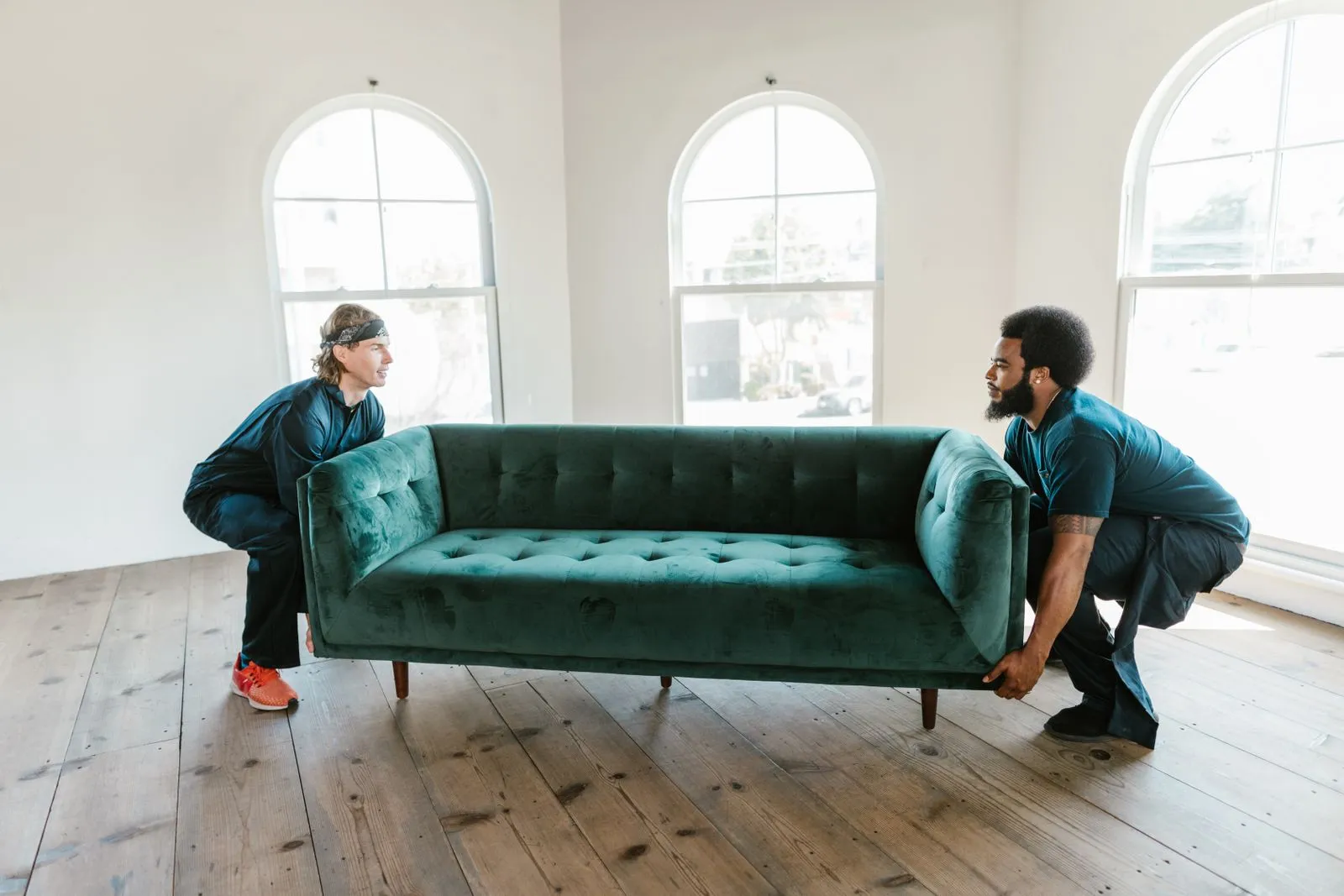
Most older Queenslanders run rooms off a central hallway. That hall is often narrower than a modern open-plan corridor, with vertical-join timber lining, picture rails and doorways that sit proud of the wall. A three-seater sofa that slid straight into a Newstead apartment can refuse the first turn into a Coorparoo bedroom. Measure the sofa depth, the hallway width and the door leaf swing. If the numbers are tight, plan to stand the piece on end on the verandah, remove legs, or take the door off its hinges for twenty minutes.
Protection matters on soft timber. Felt pads, blankets and corner guards stop a wardrobe edge marking VJ boards that a landlord will notice at the exit inspection. We wrap freestanding pieces before they climb the stairs, not after they are wedged in the hall. If you are coming from a high-rise with lift access, read our apartment removalists Brisbane guide for the contrast: towers are about lift bookings and loading docks, Queenslanders are about stair rhythm and hallway geometry.
Where does the verandah fit into the load plan?
The verandah is the staging deck. Boxes come up, get set down, then walk inside room by room. Outdoor furniture that already lives on the verandah should be cleared first so the crew has a flat landing. Ceiling fans, hanging baskets and low lattice can catch the top of a wardrobe carton if nobody looks up. On wrap-around verandahs in New Farm or Hawthorne, we sometimes walk a long piece around the outside rather than force it through the front door and the hall.
Enclosed sleep-outs and enclosed verandah rooms change the plan again. A former open verandah that has been glazed in may have a narrower door than the original opening, and the floor level can step up or down by a single surprise tread. Flag those rooms when you book. A single unexpected step inside the house is where ankles and polished boards both take a hit.
How long does a Queenslander move usually take?
In our experience, a modest two or three bedroom Queenslander inside Brisbane with clear stairs and nearby truck parking often lands somewhere around a half day with a two or three person crew. High-set flights at both ends, a long carry from a narrow street in Petrie Terrace, or a house still half packed can push it toward a full day. We talk in hours and crew size rather than a rate card here, because access moves the clock more than the suburb label.
Packed cartons stacked by the front door or on the verandah are the biggest saving you control. Disassemble bed frames the night before. Empty drawers. Leave hallway rugs rolled. For a broader sense of what stretches a house job, see how long a house move takes. Stairs, carry distance and how ready the house is when we arrive sit at the top of that list on Queenslander work.
What should you tell the crew when you book?
Send photos of the front stair, the tightest hallway turn and the street out the front. Note whether parking is permit-only, whether a power pole sits where a truck would normally reverse, and whether the rear stair is the better path for the fridge. Tell us about piano, slate pool table, oversized timber wardrobes and anything that lives under the house. Suburb names help for traffic, but the photos of the stairs tell us the real job.
- Approximate stair riser count and whether there is a mid landing
- Hallway width at the tightest point, or a photo with a tape measure in frame
- Off-street driveway, carport under the house, or street-only parking
- Any rear or side stair that might be easier for tall furniture
- Items already in the undercroft that need to come with you
Those five details let us match truck size and crew count before the morning of the move. A four-tonne body truck that fits under a carport skirt is useless if the skirt is too low and the street is the only option. Better we know on Tuesday than discover it at 7am on Saturday.
How do you protect timber floors, rails and lattice on the day?
Queenslander interiors mark easily. Soft hoop pine floors, painted handrails and decorative fretwork were not designed for fridge corners. We run runners on finished floors when the landlord or owner wants them, wrap banister posts, and keep cartons off lattice skirts so nobody leans a wardrobe against the decorative screen. Ask before the day if the property manager wants floor protection noted on the condition report.
If you want the fragile kitchen and glassware boxed by professionals while you finish the hallway clear-out, our packing services in Brisbane can take that slice. Owner-packed cartons still need solid bases and honest weight labels so nothing collapses on the stair. For the wider week-before list, pair this guide with the ultimate moving day checklist and strip out the apartment-only steps.
“The Queenslander jobs that run clean are the ones where someone has counted the stairs and cleared the hall before we arrive. The ones that drag are beautiful houses with a sofa still wrapped in the living room and a garden hose across the bottom tread.”
, R2G Moving Team
Which Brisbane suburbs throw up the most Queenslander access quirks?
Inner ridges and older character pockets are where we see the classic pattern most often: Paddington, Red Hill, Kelvin Grove, Ashgrove, Bardon, Wilston, New Farm, Teneriffe edges, Hawthorne, Bulimba, Coorparoo, Camp Hill, Greenslopes, Woolloongabba, West End and Highgate Hill. Steep street grades, narrow frontages and protected street trees mean the truck may sit further from the stair than you would like. An 07:00 start helps beat peak traffic on Coronation Drive and the Inner City Bypass when the load has to cross town.
Flatter low-set cottages in parts of Camp Hill, Cannon Hill or early estates can be gentler on the legs but still have the narrow hall and soft timber floors. Do not assume "Queenslander" always means a long flight. Send the photo either way. Character overlays and heritage detailing also mean you should not screw temporary fixings into decorative posts without the owner's say-so. Tape and blankets beat drill holes.
Frequently Asked Questions
Do removalists need extra people for a high-set Queenslander?
Often yes. A long external stair and heavy timber furniture usually want a third pair of hands for the big pieces, even when the carton count suits a two-person crew. Tell us the riser count and the heaviest items when you enquire so we can staff the job properly rather than stretching two people across a high-set flight all day.
Can a sofa go up the front stairs of a Queenslander?
Usually, if we measure first. Many sofas go up on end with the legs removed, or walk around a verandah to a wider opening. When the hallway is tighter than the sofa depth, forcing it marks walls. Measure, photograph and decide before moving day whether a piece needs dismantling or another entry point.
Is the undercroft usable during the move?
Only if the path is clear, the head height works and the ground is firm enough for a trolley. Soft dirt, low bracing and lattice gates slow everything down. Clear junk first, and never leave fuel or chemicals in the load. Use the undercroft for staging empty cartons, not for last-minute packing of hazardous goods.
How do Queenslander moves differ from apartment moves in Brisbane?
Apartments hinge on lift bookings, loading docks and body corporate rules. Queenslanders hinge on external stairs, verandah staging and narrow timber halls. There is rarely a lift to fall back on, so access photos matter more than building nameplates. Plan the stair, not the foyer.
Should I pack differently for a high-set house?
Use smaller cartons for books and pantry goods so nobody is climbing stairs with an oversized box that blocks their view of the treads. Label rooms clearly. Stack finished boxes on the verandah or just inside the front door. Leave a clear lane down the hall so furniture and cartons are not competing for the same metre of floor.
Book a Brisbane crew that knows Queenslander access
If you are moving into a Queenslander house in Brisbane or shifting out of one, our removalists in Brisbane will match crew size and truck to the stair flight, hallway and parking you actually have. Send stair photos, suburb and a rough inventory, then get a free quote so the day is planned around the stumps and verandah, not guessed on the morning.