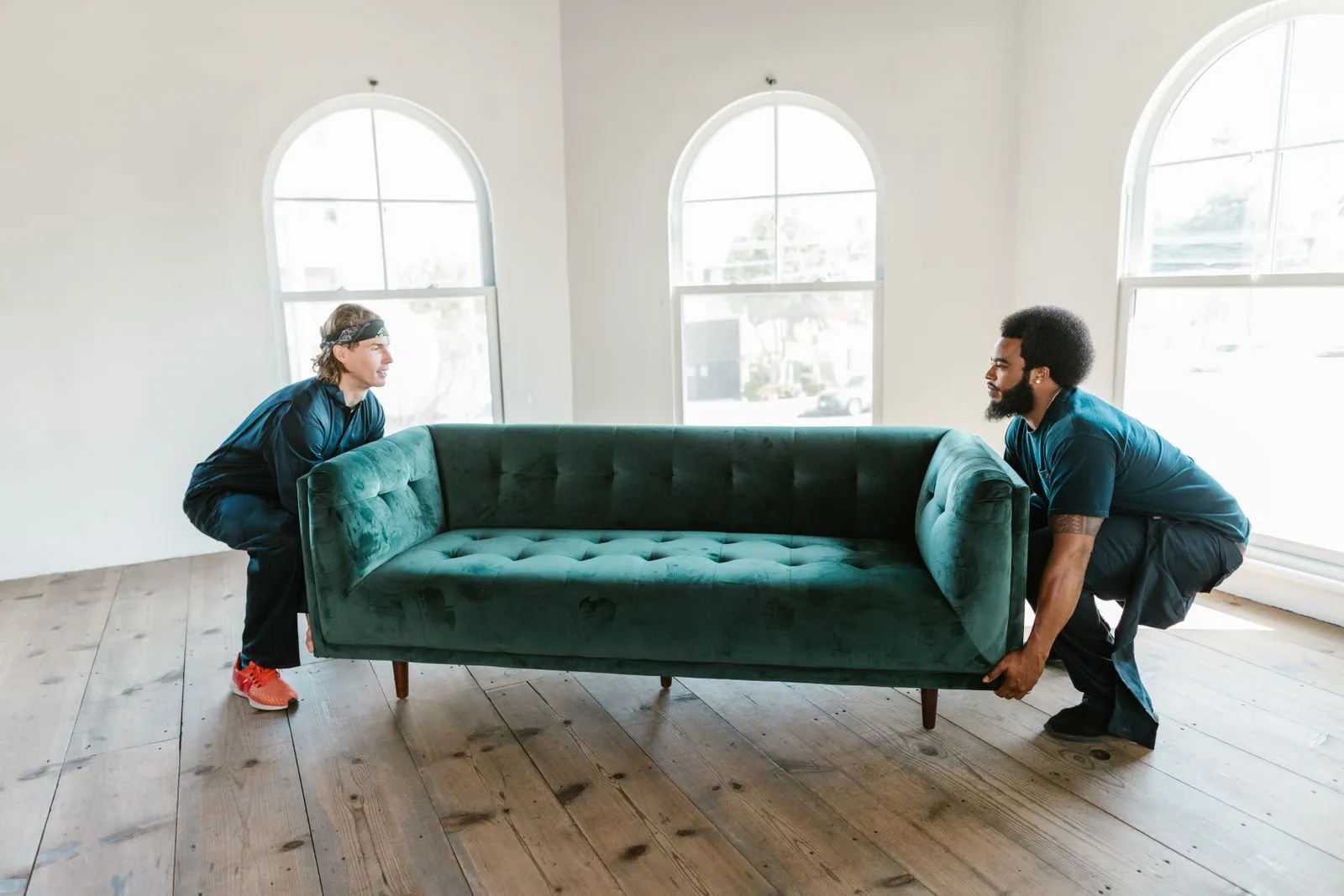
Moving in Brisbane storm season is mostly a timing problem. Storms can turn up from October to March, and in our experience they tend to build in the afternoon, so the moves that go well start early, load the weather-sensitive items first and have a plan for the moment a severe thunderstorm warning comes through. Here is how our crews plan a summer move around the weather, and what you can sort out the week before.
Key takeaways
Brisbane's storm season typically runs from October to March, and the Bureau of Meteorology says southern Queensland carries its highest severe thunderstorm risk from October to December. Start a storm-season move early in the morning so most of the loading is done before the afternoon weather builds. Bag mattresses, wrap upholstered furniture and use plastic tubs for anything that cannot get wet. Agree with your removalist beforehand on what happens if a severe thunderstorm warning is issued, and keep a fallback such as short-term storage if your dates are tight.
When is storm season in Brisbane?
Brisbane City Council puts the city's storm season at October to March on its severe weather alert page. The Bureau of Meteorology's October 2026 Get Ready Queensland briefing goes a step further: it says the east coast, including southern Queensland, has its highest risk of severe thunderstorms from October to December. So the run from early October through to Christmas, which is also one of the busier stretches for removals, is when the weather is most likely to interfere.
Not every storm is a problem for a move. The Bureau classes a thunderstorm as severe when it is expected to bring hail of 2 cm or more, wind gusts of 90 km/h or more, tornadoes, or rain heavy enough to cause flash flooding, as set out in its thunderstorm guide. A passing shower slows a crew down. A severe cell over Chermside at 3pm stops one. This is a different beast to the cyclone season moves we plan up north, where the risk is days of disruption rather than an hour of chaos on a hot afternoon.
What time of day should you move during storm season?
Early. Our Brisbane crews like a 07:00 start through summer for two reasons: the heat and the afternoon storms. A two-bedroom unit in Coorparoo or a three-bedroom lowset in Carindale can often be loaded by late morning if the boxes are packed and the access is clear, which means the truck is closed up and on the road before the sky starts darkening over the ranges to the west.
Sequence matters as much as the start time. We load the items that suffer most in the wet first: mattresses, couches, beds, rugs, electronics and anything made of chipboard. The sturdy stuff goes last, because a plastic outdoor setting or a steel tool chest does not care much if it gets rained on in the last half hour. If you have a choice of moving day, a weekday morning beats a Saturday afternoon, and that holds true for traffic as well as weather.
What actually gets damaged when a storm hits on moving day?
Most storm damage on a move is not dramatic. It is slow, wet and expensive. The items we see suffer most are the soft and the swollen:
- Mattresses and ensemble bases, which soak up water and are hard to dry properly in a humid Brisbane summer
- Fabric couches and upholstered dining chairs, which can stain or develop mould if they sit wet inside a closed truck
- Flat-pack and chipboard furniture, which swells at the edges once water gets into the board
- Cardboard cartons, which lose most of their strength when wet and can collapse at the bottom of a stack
- Electronics and appliances carried bare across a wet lawn or driveway
Floors and people are the other casualties. Wet tiles at the front door and wet timber stairs on a highset Queenslander are where slips happen, for crews and for the family helping out. Muddy boots tracked through an empty rental can also cost you at the exit clean, which is the last thing anyone wants during a lease handover.
How do removalists protect furniture from rain?
The kit is simple and it works. Mattresses go into mattress bags before they leave the bedroom. Couches and upholstered pieces are wrapped in blankets and then shrink wrap, which keeps a short dash through drizzle from reaching the fabric. Our trucks carry floor protection for entries and hallways, and the crew will stage items under a carport, garage or patio so they are not sitting on the driveway waiting for the tail lift.

Where the truck parks makes a bigger difference than most people expect. A short, covered carry from a garage in Springfield Lakes is a very different job in the rain to a long, open carry down a sloping driveway in Ashgrove. Tell us about the access when you book, including whether the truck can back up close to a covered area at both ends.
Cartons are the weak point. If you are packing yourself, use proper double-walled moving boxes, tape the bases well, and put anything that genuinely cannot get wet, such as documents, photos and laptops, into plastic tubs with lids. If you would rather not risk it, our professional packing services in Brisbane include wrapping fragile and moisture-sensitive items before the truck arrives.
“In storm season we would rather bag a mattress and not need it than carry one out bare and watch the sky open halfway down the driveway.”
, R2G Moving Team
What happens if a severe thunderstorm warning is issued on moving day?
Safety comes first, and that is not a slogan. Carrying a fridge down wet stairs with lightning overhead is how people get hurt. When a severe storm is directly overhead, the sensible call is usually to pause, close the truck and wait for the cell to pass, then pick up where things left off. Brisbane storms often blow through quickly, although the heavy rain and flash flooding that follow can close low-lying roads for a while.
The key is to talk about it before the day. Ask your removalist how they handle weather pauses and delays on an hourly job, and whether there is a point in the morning where you will make a go or no-go call together. A reputable operator will give you a straight answer. For context on what is and is not covered if something is damaged in transit, our guide on whether removalists are liable for damage explains how goods-in-transit cover and Australian Consumer Law fit together.
On the day itself, keep an eye on the Bureau's radar and check Brisbane City Council's emergency dashboard for road closures and power outages. A closed road between Rocklea and the new place matters to the crew as much as to you.
Should you keep a backup date or storage option in storm season?
Yes, where your dates allow it. A move tied to a lease end on the 31st or a settlement afternoon has very little slack, and a storm that wipes out three hours can push the unload into the evening. Some households build in a spare day at the old place. Others plan for a fallback: if the unload cannot happen safely, the goods stay on the truck or go into storage overnight and are delivered the next morning.
Storage is worth thinking about before you need it. If your settlement and your lease end are a few days apart anyway, booking storage in Brisbane for the gap means you are not trying to move into a home that is still being vacated while a storm cell rolls across the river. It also gives you somewhere dry for anything that did get damp, once it has been aired out properly.
Check the new address before you commit, too. Council's Flood Awareness Map shows the likelihood of flooding from different sources for a property, and it is worth a look if you are moving into a low-lying street near one of Brisbane's creeks.
How do you prepare your home the week before a storm-season move?
Start with alerts. Brisbane City Council's free Severe Weather Alert service lets you nominate an unlimited number of Brisbane addresses, so register both the old place and the new one, and you will get an SMS, email or voice message if the Bureau issues a severe weather warning for either. Registering takes a few minutes and costs nothing.
Then work through the practical side of the house itself:
- Pack an essentials tub with towels, a mop, spare doormats, a torch and phone chargers, and keep it in your car rather than on the truck
- Clear the path from the front door to where the truck will park, including pot plants and kids' toys that turn into trip hazards in the wet
- Pack electronics in their original boxes where you can, or in well-padded cartons inside plastic bags
- Move outdoor furniture, barbecues and pot plants to one spot so they can go on the truck last
- Charge your phone and keep the removalist's number handy in case of a delay
None of this is complicated, but doing it on the Wednesday rather than the Saturday morning is what keeps a wet move calm. It also means the crew can spend the dry hours carrying furniture instead of waiting for things to be packed.
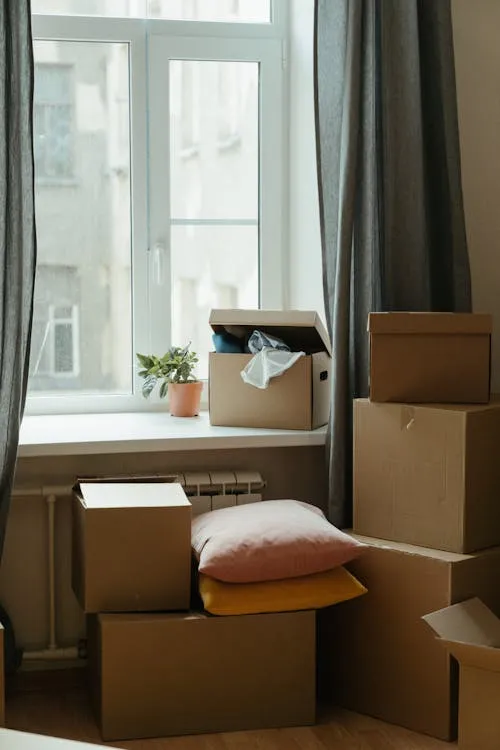
Is it worth avoiding a summer move in Brisbane altogether?
Not usually. Plenty of people have no choice about timing, because leases, settlements, school terms and job starts decide the date for them. If you do have flexibility, our guide to picking a moving date in Brisbane covers the calendar side, including the end-of-month and end-of-year rush. For a summer move, the honest answer is that storms are a manageable risk rather than a reason to cancel, provided you start early, pack for the wet and agree on a plan with your crew.
Frequently Asked Questions
Do removalists still move furniture in the rain?
Yes, most removalists keep working through ordinary rain, using mattress bags, blankets, shrink wrap and floor protection to keep furniture and homes dry. The exception is a severe thunderstorm with lightning, damaging winds or flash flooding, when a responsible crew will pause and wait for it to pass. Ask your removalist how they handle weather pauses before you book, so there are no surprises on the day.
When is the peak storm risk for moving in Brisbane?
Brisbane City Council says storm season typically runs from October to March. The Bureau of Meteorology's October 2026 outlook adds that southern Queensland has its highest risk of severe thunderstorms from October to December. In practice, that means late spring and early summer moves deserve the most planning, with an early start and a clear fallback if the afternoon weather turns.
Can damp furniture or boxes go straight into storage?
It is not a good idea. Damp cardboard loses strength, and fabric or timber stored wet in a humid Brisbane summer can develop mould or a musty smell. Let anything that got wet dry out fully first, swap soggy cartons for fresh ones, and tell your storage provider if items were caught in the rain so they can be checked before they go in.
How can I get storm warnings for my new address before I move in?
Register both your current and new address with Brisbane City Council's free Severe Weather Alert service, which accepts an unlimited number of Brisbane addresses. Alerts go out by SMS, email or voice message when the Bureau of Meteorology issues a severe weather warning that covers the address. You can also follow the Bureau's warnings and radar and check the council's emergency dashboard on the day.
Booking a Brisbane move that plans for the weather
Our crews work out of the Archerfield depot and run local moves across Brisbane right through storm season, with comprehensive public liability and goods-in-transit insurance and AFRA accreditation behind every job. Tell us your dates, your access at both ends and how much flexibility you have, and our Brisbane removalists will plan an early start and a wet-weather approach that suits your move. Get a free quote and we will talk it through with you.