You can get moving boxes for free from supermarkets, bottle shops, and online community groups, or you can buy new, double-walled boxes designed for moving. Free boxes are perfect for clothes, linen, and lighter items, while purpose-built boxes are worth the money for books, kitchenware, and anything fragile. Here is where to find both, plus how many boxes you are likely to need.
How Many Moving Boxes Will You Need?
It is almost always more than people expect. As a rough guide, plan for a mix of small, medium, and large boxes based on your home size, then add a few specialty cartons for awkward items.
- Studio or one-bedroom: around 15 to 25 boxes
- Two-bedroom home: around 30 to 50 boxes
- Three-bedroom home: around 50 to 80 boxes
- Four-bedroom or larger: 80 to 120 boxes or more
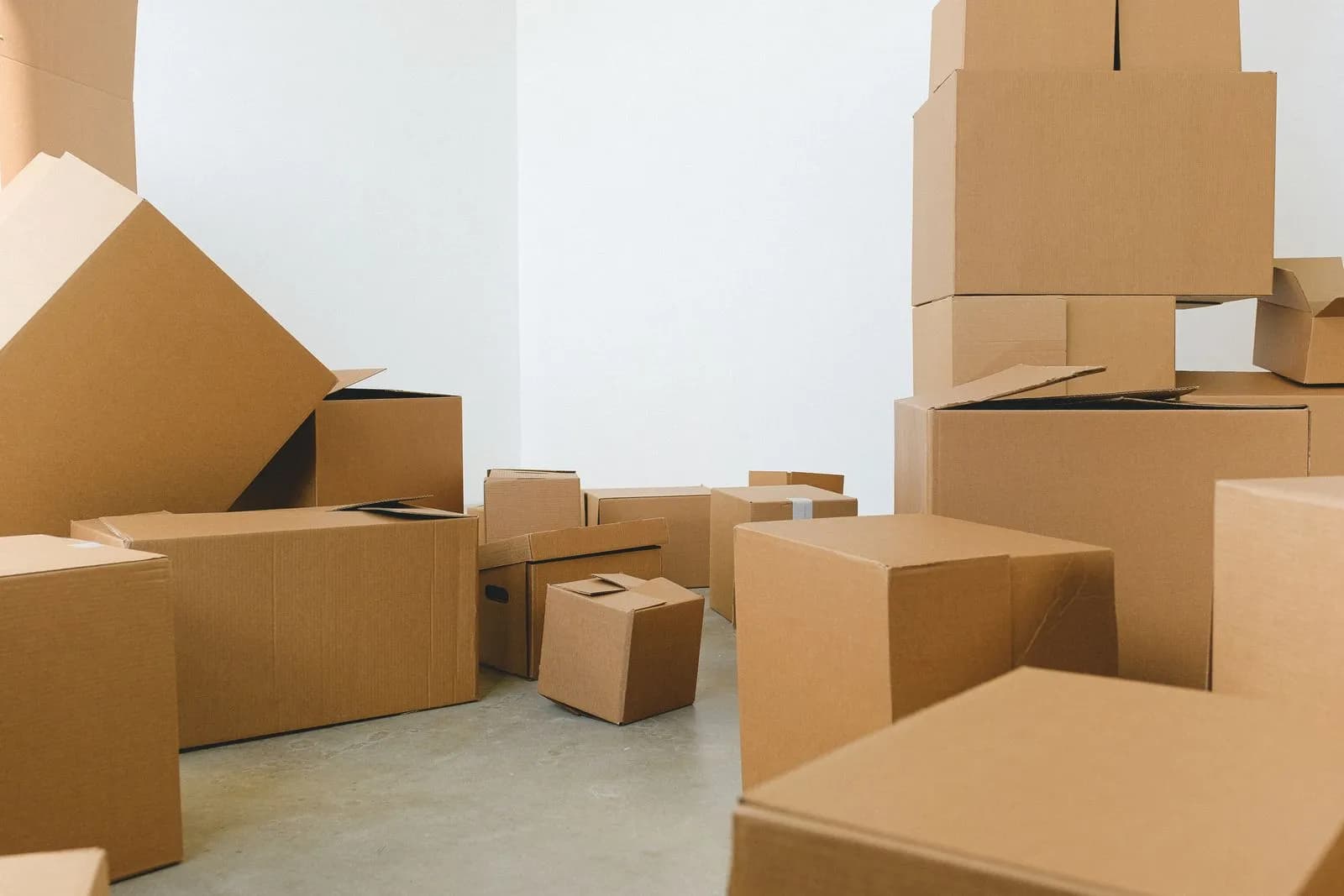
Free Moving Boxes: Where to Look
If you are happy to chase a few sources and you start early, you can box up most of a house without spending a cent. The trick is to ask the right places at the right time, before the boxes get flattened for recycling.
- Supermarkets: ask the night-fill team late in the evening when stock is being unpacked. Sturdy produce and tinned-goods boxes are the best
- Bottle shops and liquor stores: small, strong, and often divided, which makes them ideal for glasses, mugs, and other fragile items
- Facebook Marketplace and Buy Nothing groups: people give away their boxes for free right after they move
- Gumtree and local free listings: search for moving boxes in your suburb
- Friends, family, and colleagues who moved recently: they usually want the boxes gone
- Offices and workplaces: copy-paper boxes come with lids and handles and stack beautifully
Liquor store boxes punch above their weight
Boxes built for wine and spirits are small, strong, and often come with cardboard dividers built in, which makes them perfect for protecting glassware without buying a dish-pack carton.
When It Is Worth Buying New Boxes
Free boxes have limits. They are often mismatched sizes that do not stack neatly, and some are weak at the seams or have been damp. For heavy or fragile items, for interstate moves where boxes get handled far more, and for safe stacking in the truck, new double-walled boxes hold their shape and protect your belongings far better.
- Book or small boxes: for heavy items like books, tools, and tinned food
- Standard or tea-chest boxes: the everyday all-rounder for most rooms
- Large boxes: for light but bulky items like bedding, pillows, and doonas
- Port-a-robe or wardrobe boxes: hang clothes straight from the rail, no folding
- Picture and mirror cartons: flat, adjustable boxes for framed art and mirrors
- Dish-pack or cell boxes: thick-walled with dividers for glassware and crockery
A Few Box Tips From Our Crews
- Keep each box under about 16 to 20 kg so it stays safe to lift and does not burst
- Put heavy items in small boxes and light items in large ones, never the other way around
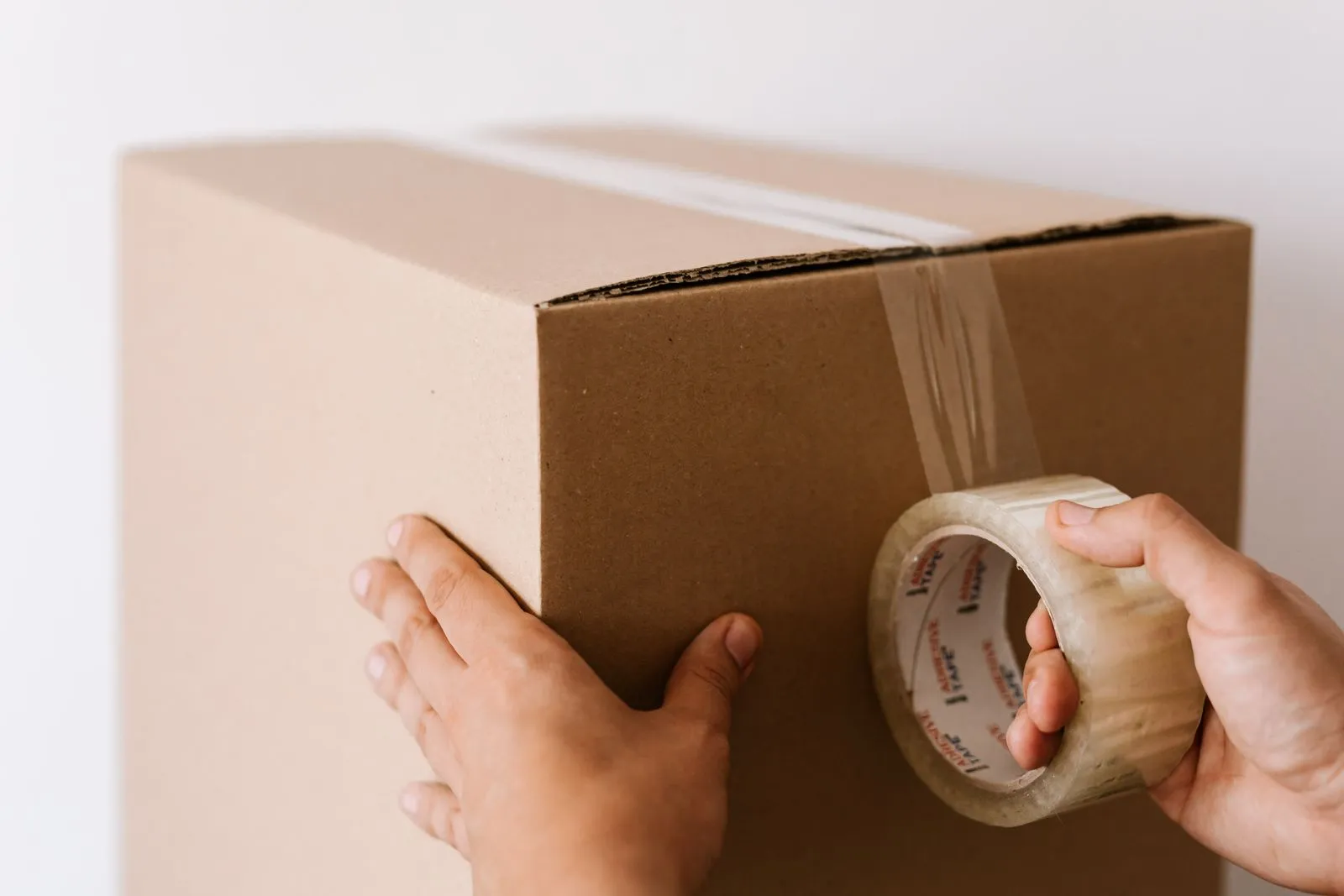
- Tape the base in an H pattern, running tape along the centre seam and both edges
- Label the side of the box, not just the top, so you can read it once boxes are stacked
- Flatten and recycle, return, or pass on your boxes once you have unpacked
Do not overpack the big ones
A large box full of books is almost impossible to lift safely and likely to give way. Save large boxes for light, bulky items and keep the heavy gear in small cartons.
“The right box in the right place prevents most moving-day breakages. It is not glamorous, but good boxes do half the work of a careful pack.”
, R2G Moving Team
What Size Boxes You Actually Need
Box size matters more than people think, because the wrong size is how things get broken or how you end up with a carton nobody can lift. A good rule: the heavier the contents, the smaller the box.
- Small or book boxes: for heavy, dense items like books, tools, tinned food, and crockery
- Medium or tea-chest boxes: the everyday all-rounder for kitchen gear, toys, pantry, and general household items
- Large boxes: only for light but bulky things like bedding, pillows, doonas, and soft toys
- Specialty boxes: port-a-robes for hanging clothes, picture and mirror cartons for framed art, and dish-pack cartons for glassware
How to Tell a Good Box From a Bad One
Not all free boxes are worth taking. Before you load up your car at the back of a supermarket, give each box a quick check. Look for double-walled cardboard for anything heavy, since single-wall boxes crush easily when stacked in a truck. Avoid boxes that are damp, stained, or smell of food, because they attract pests and tear when lifted. Skip anything with large tears or missing flaps. And remember that even a good box has a limited life: a carton that has already done one or two moves is fine for linen, but put your fragile and heavy items in fresh, sturdy boxes.
Beyond Boxes: The Supplies That Actually Protect Your Things
Boxes are only half the job. The padding and labelling are what stop breakages and chaos at the other end.
- Packing paper, the clean butcher-style sheets, for wrapping crockery and glassware without ink stains
- Bubble wrap for your most fragile items, electronics, and screens
- Quality packing tape and a tape gun, because cheap tape lets go in the heat
- Thick markers for labelling, and a roll of coloured tape for a simple room-coding system
- Mattress bags, port-a-robes, and furniture blankets for the big items
- Old towels, tea towels, and clothing you are taking anyway, used as free extra padding
How to Pack a Box So It Survives the Truck
A box is only as good as the way it is packed. Line the bottom with crumpled paper, put the heaviest items in first, and fill every gap so nothing shifts when the box is tilted. Keep each box to a weight you can comfortably lift, around 16 to 20 kg at most, even if there is room for more. Tape the base in an H pattern, running tape along the centre seam and both edges. Label the side of the box rather than the top, since boxes are stacked and you can only read the sides. Mark anything breakable as fragile on more than one face, and note the room it belongs in so unloading is quick.
Half-fill the heavy ones
It feels wrong to leave space, but a book box only needs to be two-thirds full. A box you cannot lift will get dropped, and a dropped box is how things break. Top it up with light padding instead.
Reusable and Eco-Friendly Box Options
If you would rather not deal with cardboard at all, plastic moving crates are worth a look. Many removalists and hire companies rent sturdy stackable crates for a set period, which you fill, move, and return, with nothing to flatten or recycle afterwards. They stack more securely than cardboard and protect contents better, which suits fragile or high-value loads. If you do use cardboard, keep the move low-waste by sourcing second-hand boxes, then passing them on through a Buy Nothing group or recycling them flat once you have unpacked.
Local Moves vs Interstate: Why It Changes Your Boxes
How far you are going changes how strong your boxes need to be. For a short local move across Brisbane or Cairns, lightly used supermarket boxes will usually survive a single careful trip. For a long-distance or interstate move, your boxes are handled far more often, loaded and unloaded multiple times, and may sit under other boxes for days, so it pays to use new double-walled cartons for anything you care about. The extra strength is cheap insurance against a long trip.
Pack Room by Room, Not All at Once
The fastest way to lose track of a move is to pack a bit of everything at the same time. Work through the house one room at a time, starting with the rooms you use least, such as the spare room, the garage, and out-of-season clothes and decorations. Leave the kitchen and your daily essentials until last. Finish and label each room before moving to the next, so a half-packed house never turns into a sea of unlabelled boxes. This also makes it easy to tell the removalists which boxes belong where when you arrive.
How to Label Boxes So Unpacking Is Painless
Good labelling is the cheapest upgrade you can make to a move. On every box, write the room it belongs in and a short note of the contents, on the sides rather than the top so you can read it once boxes are stacked. Add the word fragile in large letters on any box with breakables, on more than one face. A simple colour-code, a strip of coloured tape per room, lets the crew sort boxes into the right rooms without reading a word. Keep one box clearly marked as your first-night essentials, and load it last so it comes off first.
What to Do With Boxes After the Move
Once you have unpacked, you are left with a pile of flattened cardboard, and there are better options than the kerb. Offer the boxes to someone moving soon through a local Buy Nothing or community group, since good moving boxes are always in demand. Return hired plastic crates promptly to avoid extra charges. Whatever is left, flatten it and place it in your recycling, or drop larger loads at a recycling centre. Reusing and passing on your boxes keeps the cost and the waste of your move down.
How Many Boxes by Home Size, in More Detail
The headline numbers are a starting point, but a few things push your box count up or down. Households that have lived in a home for years almost always need more boxes than they expect, because storage fills up quietly over time. Books, kitchens, garages, and wardrobes are the big consumers, so add extra small and medium boxes if any of those rooms are well stocked. Minimalist or recently moved households tend to come in under the estimate. When in doubt, get a few more than you think you need, because running out on packing night and scrambling for boxes is far more stressful than having a couple of spares to flatten and pass on afterwards.
Frequently Asked Questions
Where can I get free moving boxes?
Supermarkets, bottle shops, and liquor stores are the best in-person sources, especially if you ask the night-fill team when stock is being unpacked. Online, Facebook Marketplace and Buy Nothing groups are full of people giving away boxes right after their own move. Offices and workplaces are another easy win, since copy-paper boxes come with lids and handles.
How many boxes do I need to move a three-bedroom house?
Plan for roughly 50 to 80 boxes for a typical three-bedroom home, made up mostly of small and medium cartons with a handful of large and specialty boxes. It is always more than people expect, so it is better to have a few spare than to run out on packing night.
Are supermarket boxes good for moving?
They can be excellent, as long as they are sturdy and clean. Boxes that held tinned goods or produce are usually strong enough for a move. Avoid anything damp, stained, or food-soiled, and use fresh double-walled boxes for heavy or fragile items.
Should I buy or rent moving boxes?
Source or buy cardboard if you want flexibility and only move occasionally. Rent plastic crates if you want extra protection, easy stacking, and no clean-up, which suits fragile loads and people who would rather not chase free boxes around town.
What is the best box for packing books?
Small boxes, every time. Books are heavy, and a large box full of them is almost impossible to lift safely and likely to give way. Keep book boxes small and only two-thirds full.
Need Boxes and Packing Sorted?
If you would rather not chase boxes around town, R2G can supply sturdy moving boxes and packing materials built for the job. Browse our moving boxes and supplies, or let our team take it off your plate entirely with full packing services in Brisbane and Cairns. Whether you need movers in Brisbane or movers in Cairns, our crews can bring the boxes and handle the lift. For room-by-room technique, our guide to packing your kitchen like a pro is a great next read. Ready to move? Get a free quote.